
Jul 31, 2026
A Practical Maintenance Routine for Mini Skid Steer Loaders
A system-by-system maintenance routine for mini skid steer loaders — engine, hydraulics, undercarriage, electrical, and seasonal storage care.
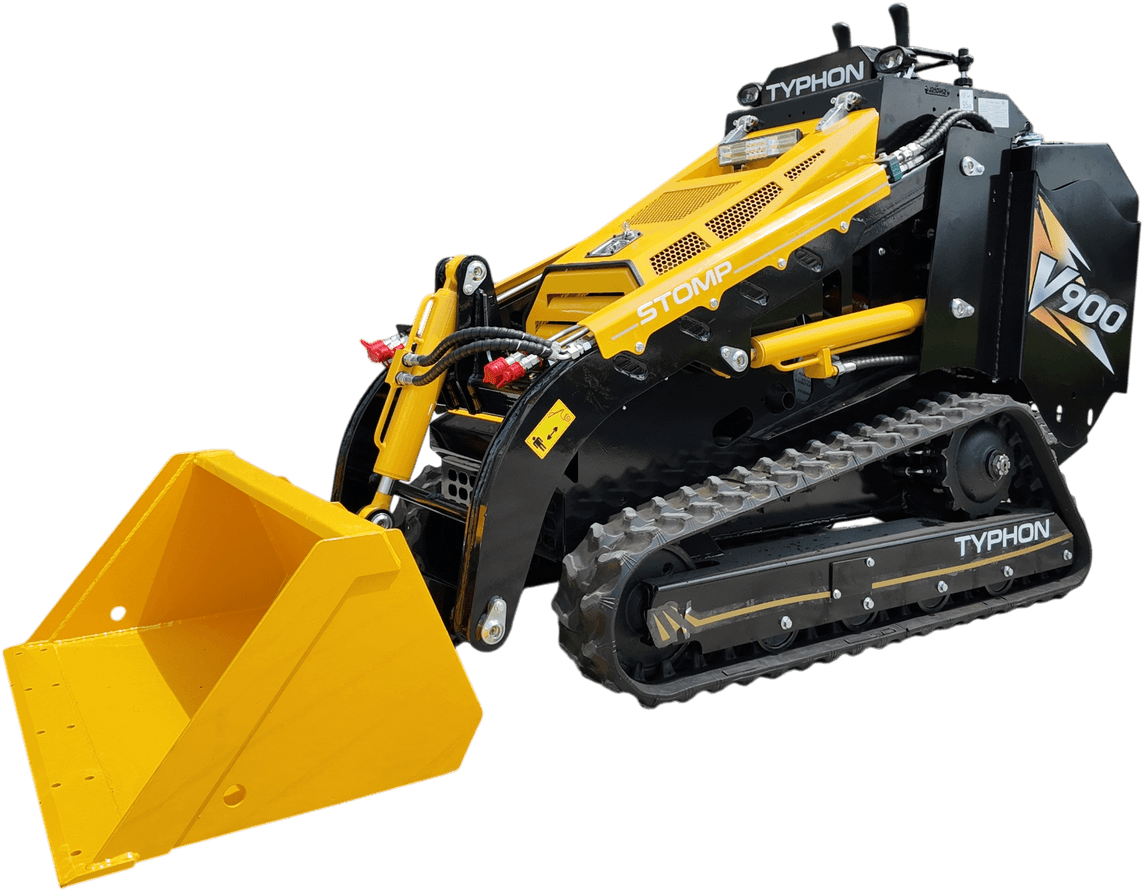
A mini skid steer loader earns its keep by showing up ready to work — squeezing through gates, clearing tight yards, and running attachment after attachment without complaint. That reliability isn't automatic. It's the result of a maintenance routine that catches small problems, like a loose track or a dirty air filter, before they turn into a machine sitting idle in the driveway. This guide walks through that routine by system rather than by the clock, so you understand why each check matters, not just when to do it.
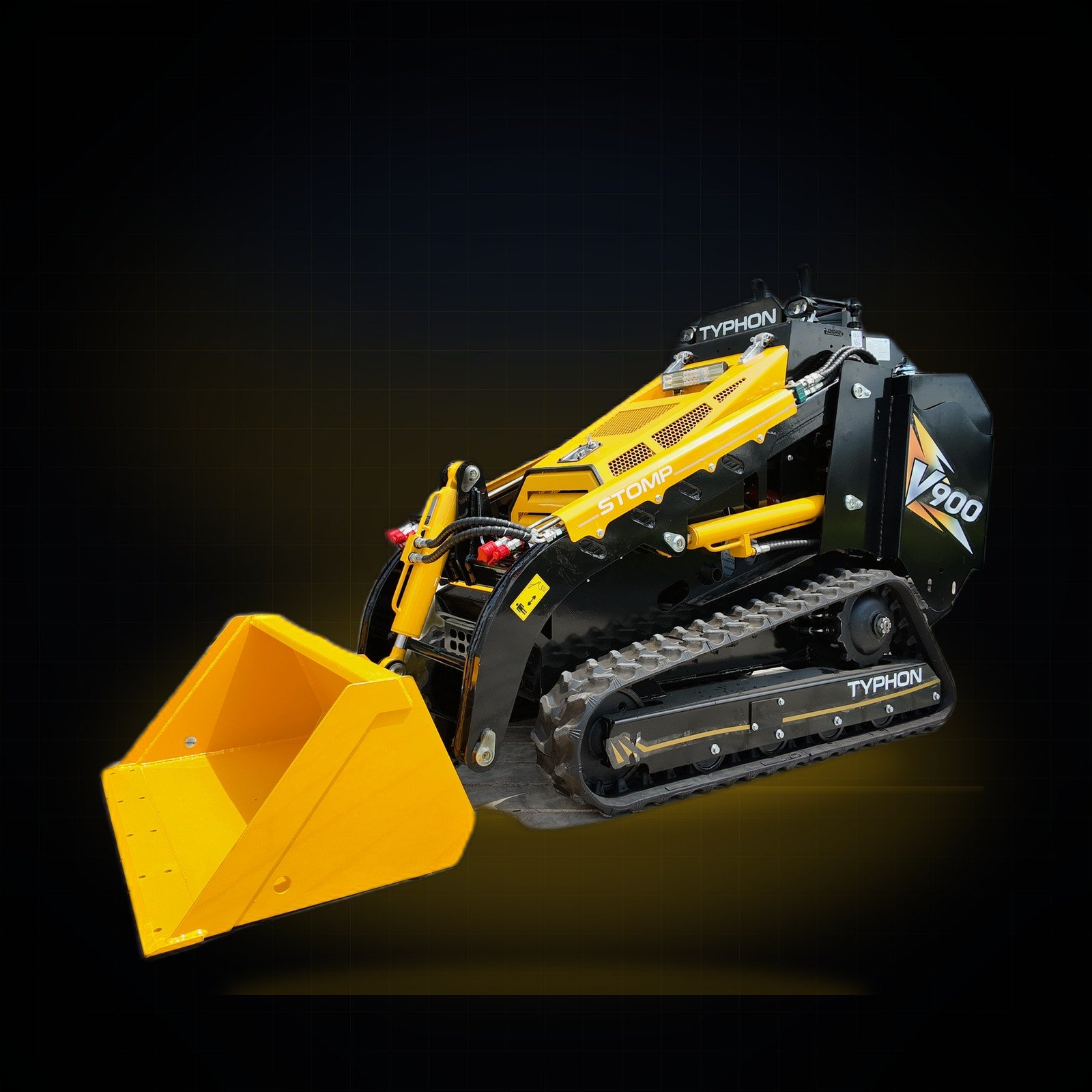 Mini skid steer loader ready for a pre-operation inspection
Before You Start Every Job
The habits that matter most are the ones performed before the engine ever turns over. A five-minute walkaround at the start of the day catches the majority of issues that would otherwise surface mid-job.
- Look underneath the machine for fresh fluid spots — hydraulic oil, engine oil, or coolant pooling overnight points to a leak worth chasing down immediately.
- Check tire or track tension and look for embedded debris, cuts, or uneven wear.
- Confirm the engine oil and hydraulic fluid are at the correct level on a cold machine.
- Test the safety guards, seat switch, and any interlocks — these exist so the machine won't move unexpectedly, and skipping this check defeats the point of having them.
- Clear grass clippings, mud, and debris from the engine bay and radiator fins. Packed debris around the engine is one of the most common causes of overheating on compact equipment, since it blocks the airflow the cooling system depends on.
None of this takes long, but skipping it is how a small leak becomes a stranded machine two hours into a job.
Engine and Fuel System
The engine is the one component every other system depends on, which makes it the least forgiving place to defer maintenance.
Change the oil on the schedule your manufacturer specifies, and don't stretch the interval because the machine "seems fine" — oil breaks down chemically long before it looks dirty, and running past its useful life accelerates wear on bearings and cylinder walls. Use the oil weight your operator's manual calls for; the wrong viscosity in cold weather can starve the engine of lubrication right at startup, when most wear happens.
The air filter deserves more attention than most owners give it. Mini skid steers often work in dusty, debris-heavy environments — demolition sites, gravel yards, dry landscaping jobs — and a compact diesel engine ingests a lot of air relative to its size. Replace the filter well before it looks fully clogged; a restricted filter doesn't just rob power, it can pull the fuel mixture out of spec and increase consumption.
Fuel quality matters as much as fuel quantity. Keep the tank topped off in storage to minimize condensation, and if the machine sits unused for more than a month or two, add a fuel stabilizer. Diesel left too long can develop microbial growth or gel in cold weather, both of which cause hard starting and clogged injectors.
Hydraulic System
Everything a skid steer actually does — lifting, tilting, running attachments — runs through the hydraulic system, and it's also the system most sensitive to contamination.
Hydraulic fluid should be checked for level and clarity regularly. Fluid that's turned milky or foamy usually indicates water intrusion or air in the system; fluid that's turned dark and gritty indicates internal wear or a breakdown of the fluid itself. Either condition warrants a fluid change rather than a top-off.
Inspect hoses and quick-connect couplers for cracking, bulging, or seepage, especially where hoses flex during attachment movement. A hose that fails under pressure is not a minor inconvenience — it's a safety event, and it's almost always preceded by visible warning signs if someone was looking for them.
If the machine has a hydraulic oil cooler, keep its fins clear of dirt the same way you would the engine radiator. An overheating hydraulic system loses viscosity, which reduces attachment control precision and accelerates wear on pumps and cylinders. Machines running demanding attachments like mulchers or augers for long stretches are especially prone to running hot.
Undercarriage and Tracks
The undercarriage takes more physical abuse than any other part of the machine, and it's often the most neglected — probably because problems there develop slowly and don't announce themselves the way an engine warning light does.
Track tension should be checked regularly and adjusted to the manufacturer's specification. A track that's too loose can derail during a tight turn or under load; one that's too tight puts unnecessary strain on the drive sprockets, rollers, and the track itself, shortening its service life. Both extremes are avoidable with a quick check.
Rollers and idlers should turn freely without excessive play. Grease them on the schedule specified for the model — don't assume "sealed" components never need attention, since that varies by machine. Clean packed mud and rocks from around the sprockets after wet or rocky jobs; material left to harden overnight is far more work to remove than material cleared while it's still soft.
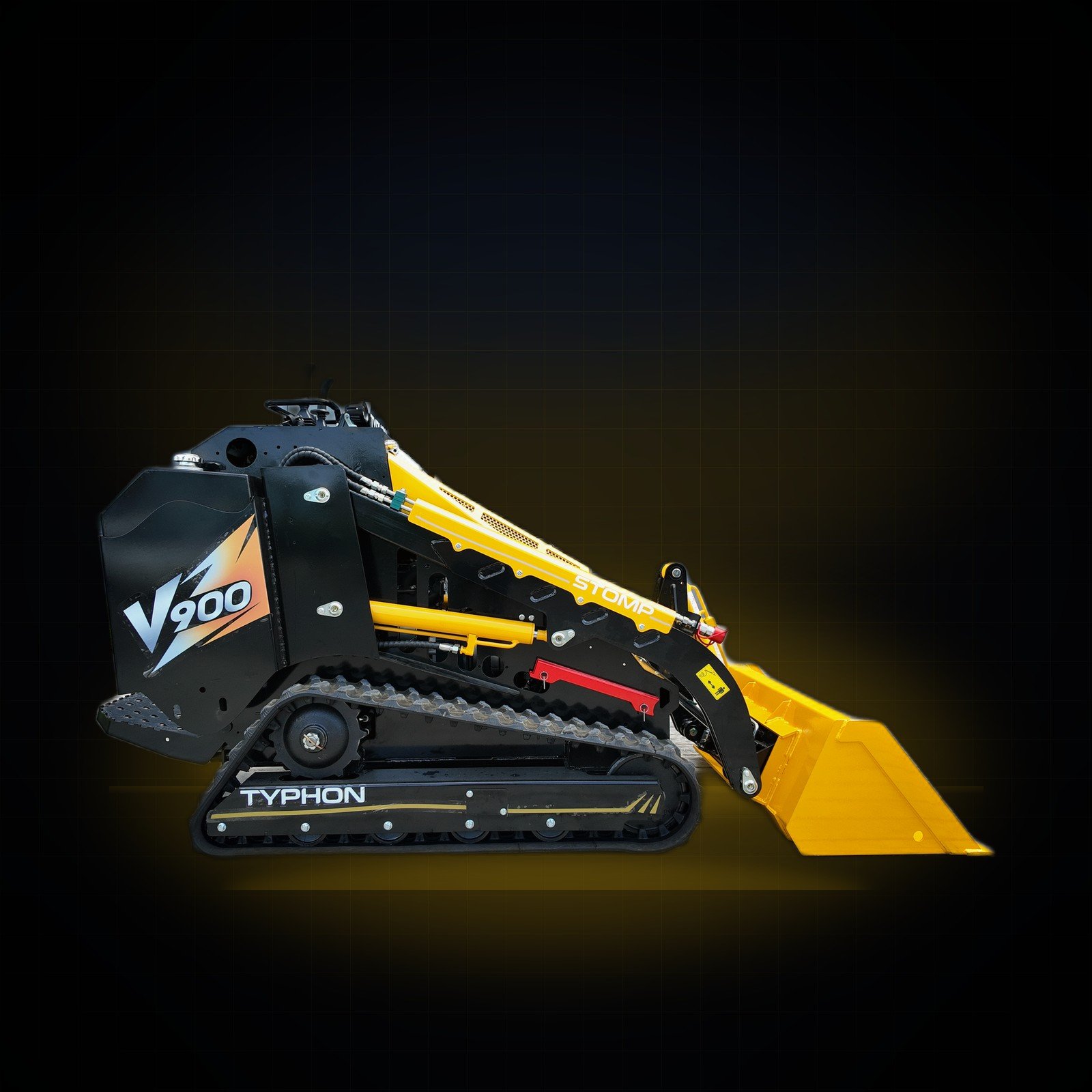 Mini skid steer loader tracks and undercarriage
Electrical System and Operator Controls
Electrical issues on compact equipment are usually connection problems rather than component failures, which makes them both common and easy to prevent.
Check the battery terminals for corrosion and make sure connections are tight — a loose or corroded terminal can cause intermittent starting problems that look like a much bigger issue than they are. Inspect visible wiring harnesses for chafing, particularly anywhere they run near moving parts or hot surfaces.
Joystick controls, the digital dashboard, and any safety interlocks should be tested for responsiveness at the start of each shift, not just during a scheduled service interval. A control that hesitates or a warning light that doesn't illuminate during a bulb-check startup sequence is worth investigating before, not during, a job that depends on it.
Seasonal and Storage Care
How a machine is stored between jobs affects how it performs when the next job starts.
Before extended storage, wash off mud, dirt, and any corrosive residue like fertilizer or de-icing salt. Left in place, these trap moisture against the metal and accelerate corrosion, particularly around fasteners and the undercarriage.
In cold climates, check coolant concentration ahead of winter and consider a fuel stabilizer before a long idle period, as covered above. In hot, dry climates, the bigger risk is dust working into filters and seals — a simple cover over the intake and exhaust openings helps.
Whatever the season, a stored machine still benefits from being started and run briefly on a regular basis. This keeps seals lubricated and gives an early warning if something's gone wrong while it sat idle.
Building the Habit
None of these checks are individually complicated, and that's the point — the machines that last longest aren't maintained by owners with more technical skill, but by owners with more consistency. A checklist taped inside the storage shed, or a recurring phone reminder, does more for uptime than any single repair ever will.
Treat the manufacturer's service manual as the final word on intervals for your specific model, and treat this guide as the reasoning behind why those intervals exist. Understanding the "why" makes the "when" far more likely to actually happen.
1 Comment
Chhay
Aug 13, 2026
Hello