
Sep 26, 2026
How Hydraulic Dumping Simplifies Material Unloading
Unloading material is one of the most repetitive parts of any earthmoving or construction task, and how a machine handles it makes a real difference to the pace of the work. Hydraulic dumping has become the standard for good reason.
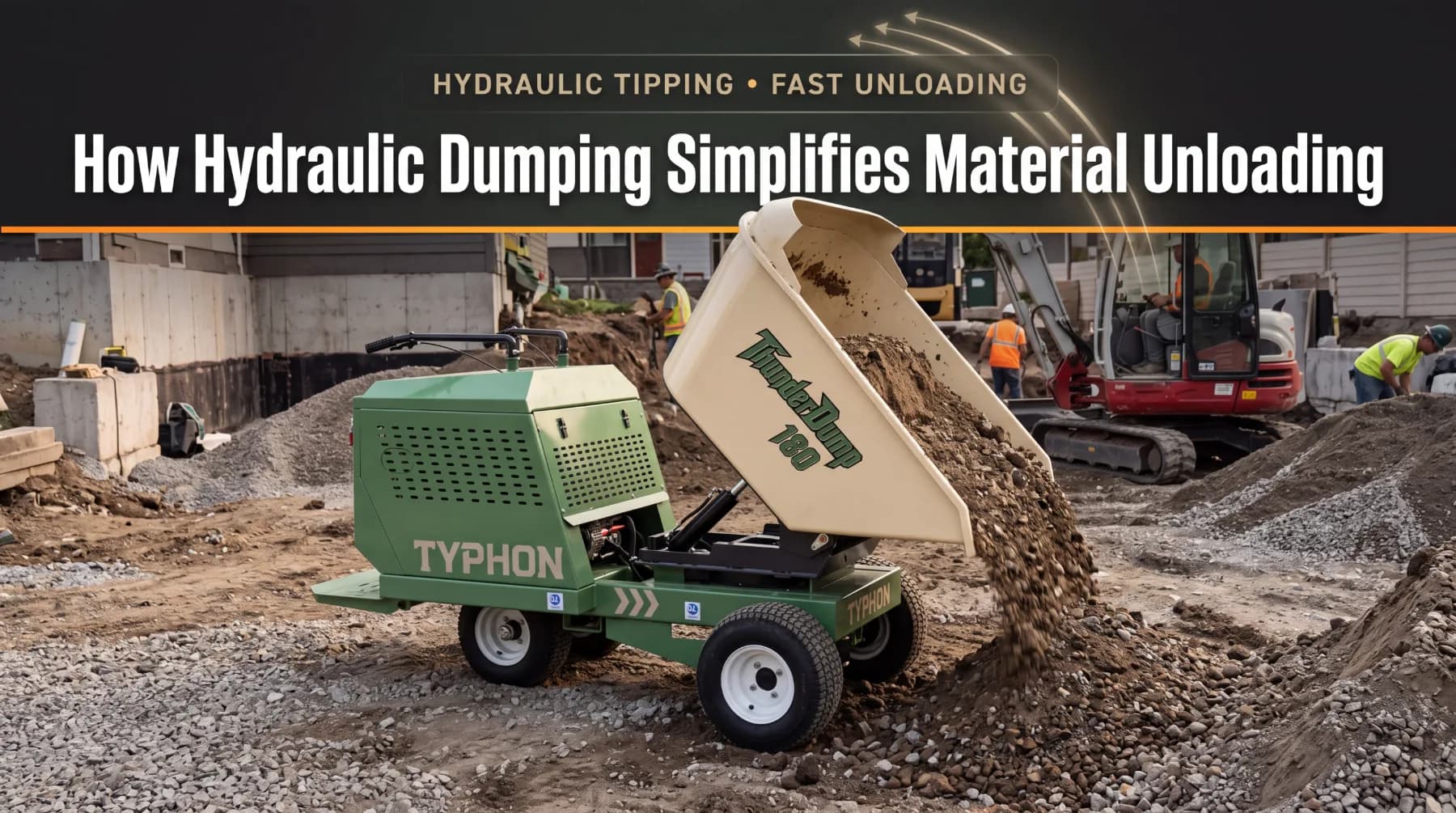
Unloading material is one of the most repetitive parts of any earthmoving or construction task, and how a machine handles it makes a real difference to the pace of the work. Hydraulic dumping has become the standard for good reason. It takes the effort and uncertainty out of releasing a load, giving operators a fast, controlled way to place material exactly where it needs to go. Instead of shoveling, prying, or coaxing material out of a bed, the operator raises the hopper with hydraulic power and lets the load tip cleanly on command.
This guide explains how hydraulic dumping works and why it simplifies material unloading across a wide range of jobs. You will learn how the hydraulic cylinder lifts the hopper, how operators control the discharge, and how the system speeds up unloading cycles. You will also see how hydraulic tipping improves access in tight work areas and reduces the manual handling that slows crews down and wears them out. By the end, you will understand why this feature is so central to dependable, efficient material handling.
Lifting the Hopper With Hydraulic Power
At the heart of hydraulic dumping is a straightforward but powerful mechanism: a hydraulic cylinder raises the dumper's hopper or bed, allowing the load to be tipped without any manual unloading. When the operator activates the dumping function, pressurized hydraulic fluid extends the cylinder, which lifts the hopper and tilts it toward the discharge point. Gravity then does the rest, drawing the material out as the hopper reaches its angle. This turns what was once a labor-intensive chore into a smooth, machine-driven action the operator manages from the controls.
The real value lies in how the hydraulic system provides controlled lifting throughout the entire dumping cycle. Rather than releasing the load in one abrupt motion, the system raises the hopper steadily, giving the operator authority over the pace and progression of the lift. This controlled movement matters because it keeps the machine stable as the load shifts and ensures the material discharges in a predictable way. The cylinder delivers consistent force from the start of the lift to full extension, so the hopper rises smoothly even under a heavy load.
Several qualities make hydraulic lifting so effective for unloading:
- Consistent power that raises the hopper reliably regardless of the material's weight, within the machine's rated capacity
- Smooth, progressive movement that keeps the machine steady and the discharge controlled
- Operator-managed lifting that puts the timing and speed of the dump in the operator's hands
Because the hydraulic system handles the physical work of lifting and tipping, the operator can focus on positioning and timing rather than exertion. This is the foundation on which every other benefit of hydraulic dumping is built. When the hopper lifts with dependable hydraulic power, unloading becomes a controlled, repeatable step that keeps the machine working efficiently and protects both the load and the equipment throughout the cycle.
Controlled Material Discharge
Hydraulic dumping gives the operator direct control over when and how the hopper is raised, and this control is what turns unloading into a precise, deliberate action rather than a rough dump. From the operating position, the operator decides the exact moment to begin the lift, how quickly the hopper rises, and how far it tilts. This authority over the dumping motion allows material to be directed toward the intended unloading area with accuracy, whether that target is a stockpile, a trench, a container, or a specific spot on the ground.
This precision proves valuable across a wide range of materials and tasks. Soil, gravel, debris, and other loads each behave a little differently as they discharge, and the ability to modulate the lift helps the operator manage that behavior. Raising the hopper gradually lets material flow out in a controlled stream, which is useful when spreading a load or filling a defined area. Tipping more fully releases the load quickly when a clean, complete dump is the goal. Because the operator governs the motion, the discharge matches the demands of the task at hand.
Controlling the discharge this way delivers practical benefits on the jobsite. Material lands where it is intended rather than spilling short or overshooting the target, which reduces the cleanup and reshaping that eat into productivity. Directing the load accurately also helps when working near structures, edges, or other equipment, where a misplaced dump could create a hazard or extra work. The operator can ease the load into position with confidence instead of releasing it all at once and hoping it settles correctly.
This kind of controlled discharge is one of the clearest advantages hydraulic dumping offers. It transforms unloading from a matter of chance into a managed operation, ensuring material reaches its intended destination cleanly and consistently. For crews that depend on accurate placement, that reliable control keeps each unloading cycle efficient and the surrounding work area tidy.
Faster Unloading Cycles
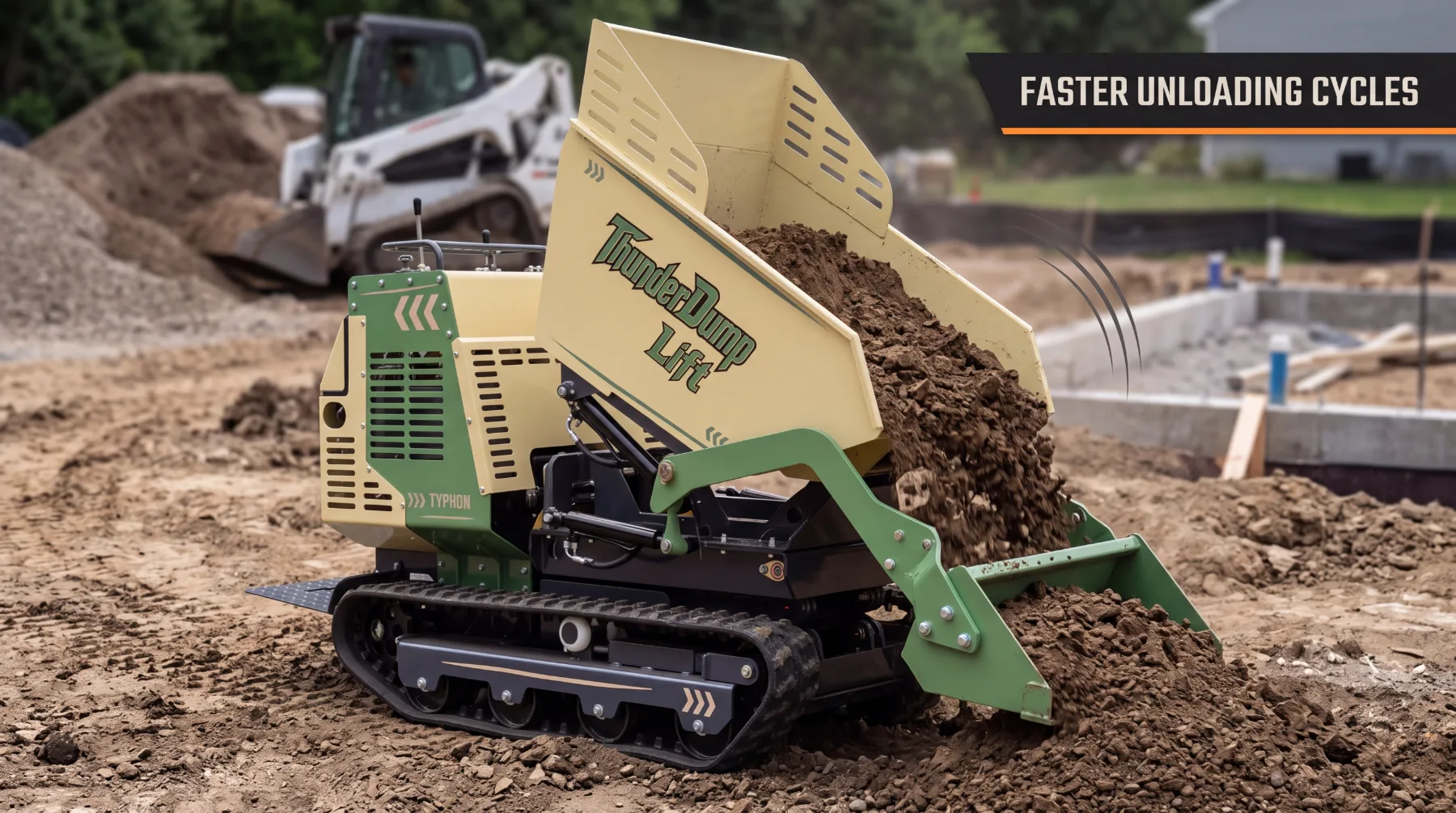
Speed is one of the most immediate benefits hydraulic dumping brings to material handling. Instead of requiring workers to remove material manually, the hydraulic system raises the hopper and releases the load in a single operating sequence. What might otherwise take several people and considerable time with shovels or by hand becomes a matter of seconds, managed entirely by the operator from the machine's controls. This efficiency keeps material-handling cycles moving and allows a crew to complete far more work in the same window of time.
The advantage becomes especially clear in operations built on repetition. Most dumping work involves a steady rhythm of loading, transporting, unloading, and returning for the next load. Each cycle repeats many times over the course of a shift, so any time saved during unloading multiplies across the day. A hydraulic system that discharges a load quickly and cleanly shortens each cycle, which adds up to meaningful gains in overall productivity. The machine spends more of its time moving material and less of it sitting idle while a load is cleared.
Fast unloading also keeps the wider operation flowing smoothly. On many sites, a dumper works as part of a larger sequence, feeding material to other equipment or clearing space for the next stage of work. When unloading is quick and reliable, the dumper returns to the loading point promptly and the whole process stays on schedule. Delays at the unloading stage ripple outward, holding up loaders, slowing progress, and creating bottlenecks that are difficult to recover from.
By handling the entire discharge in one hydraulic sequence, the machine removes the slowest and most labor-heavy part of the old approach. The load goes in, travels to the unloading point, and comes out in a controlled motion, ready for the next cycle. This dependable speed is a core reason hydraulic dumping has become essential to efficient material handling on modern jobsites.
Better Access in Different Work Areas
A hydraulic tipping system makes unloading practical in places where direct access to the material placement area is limited. Not every unloading point sits in open, easily reached ground. Many jobs require placing material behind a barrier, over an edge, into a raised container, or in a spot the machine cannot approach head-on. Because the hydraulic system lifts and tilts the load rather than relying on the operator to reach into the bed, the dumper can discharge material from a position that suits the site rather than one dictated by manual access.
Two specifications shape how the load can be positioned during this process: dump height and dumping angle. Together they determine where the material ends up relative to the machine.
- Dump height sets how high the hopper can raise the load before releasing it, which governs whether the dumper can clear the sides of a container or the edge of an obstacle
- Dumping angle controls how far the hopper tilts, influencing how completely the material discharges and how far it travels as it leaves the bed
Understanding these two factors helps an operator judge whether a dumper can serve a particular unloading point. A machine with sufficient dump height can raise its load above a container's rim, while a strong dumping angle ensures the material slides out fully and lands where intended rather than clinging in the hopper. When both suit the task, the dumper can place material accurately even in awkward or constrained locations.
This flexibility is especially useful in confined construction areas, where space is tight and unloading points are often hemmed in by structures, equipment, or excavations. Rather than forcing the machine into a difficult or unsafe position, the operator can use the hydraulic tipping system to discharge the load from a stable, sensible spot. This keeps the work moving in areas that would otherwise be difficult to serve and helps the dumper adapt to the varied layouts a real jobsite presents.
Reducing Manual Handling
One of the most significant benefits of hydraulic dumping is how much it reduces the need for workers to physically move heavy materials from the dumper. Automated hopper lifting shifts the burden of unloading from people to the machine. Where crews once relied on shovels, wheelbarrows, and sheer effort to clear a load, the hydraulic system now raises the hopper and releases the material on its own. This changes the nature of the work, letting operators manage unloading through the controls rather than through strenuous physical labor.
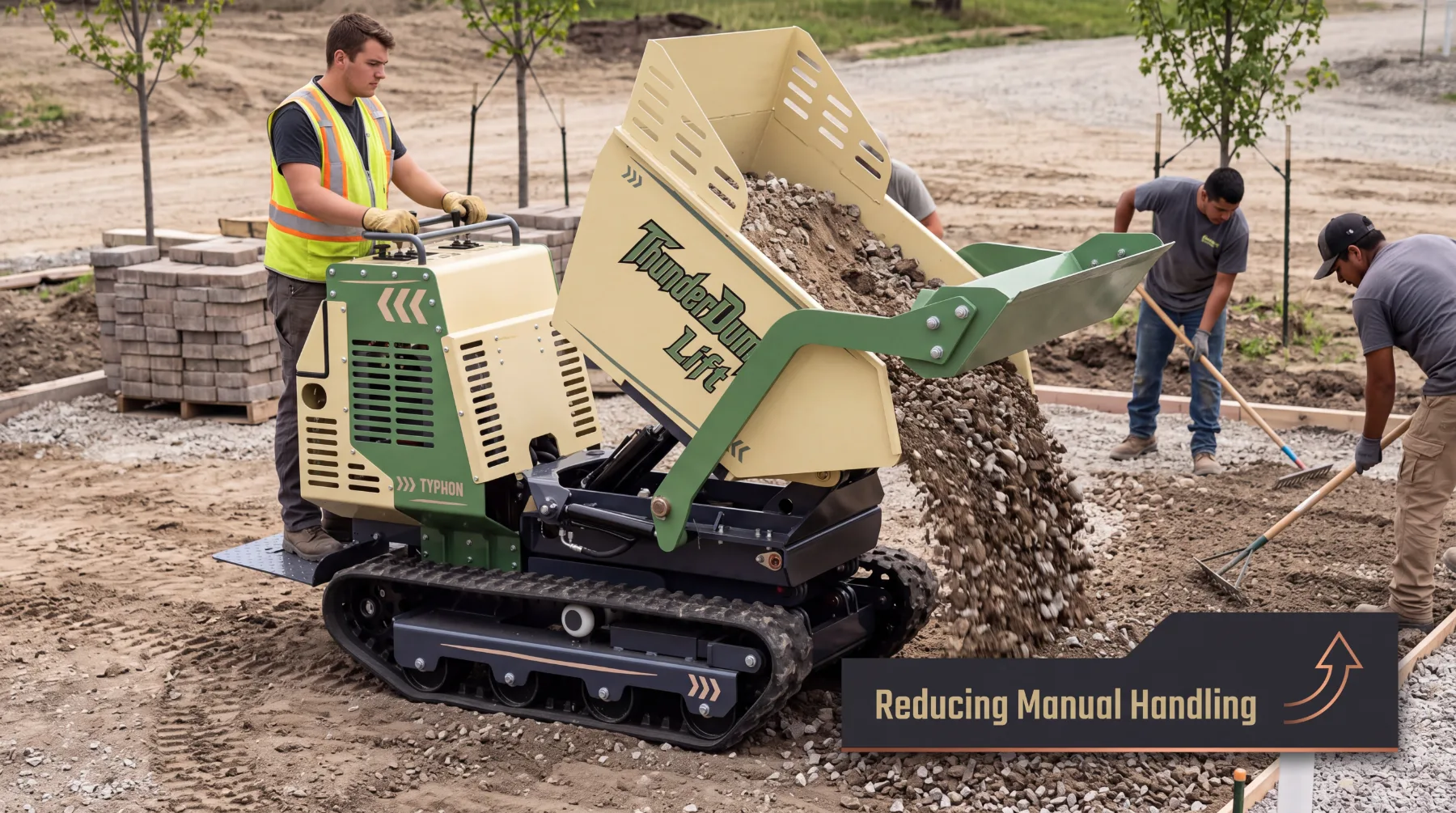
The practical effect on a jobsite is considerable. Moving soil, gravel, and debris by hand is slow, tiring, and demanding, and it ties up workers who could be contributing elsewhere. By letting the machine handle the lifting and tipping, hydraulic dumping frees crews from the heaviest part of material handling and allows them to focus on tasks that genuinely require their attention. The result is a more efficient operation where labor is used where it matters most rather than spent clearing loads one shovelful at a time.
This efficiency depends on operating the machine within its specified limits. Every dumper is designed to handle a certain load capacity, and staying within that rated capacity is essential for both performance and safety. Overloading the hopper strains the hydraulic system, can affect the machine's stability during lifting, and undermines the very efficiency the system is meant to deliver. When the dumper carries and discharges loads within its designed range, the automated lifting works smoothly and reliably, cycle after cycle.
Reducing manual handling this way makes material handling faster and more consistent. The machine performs the demanding physical work, unloading happens on command, and the operation moves at a steadier, more dependable pace. For any crew managing large volumes of material, this shift from manual effort to hydraulic power is a straightforward way to keep the work productive while operating the equipment as intended.
Conclusion
Hydraulic dumping simplifies material unloading by putting the physical work in the hands of the machine and the control in the hands of the operator. A hydraulic cylinder raises the hopper with steady, dependable power, the operator directs the discharge precisely toward the intended area, and the entire load is released in a single quick sequence that keeps cycles moving. The system also extends access to confined and awkward work areas through the reach that dump height and dumping angle provide, and it removes much of the heavy manual handling that once slowed crews down.
Understanding how these advantages work together helps operators and site managers get the most from their equipment. When you match the dumper to your material, your unloading points, and your site layout, and operate it within its specified limits, hydraulic dumping delivers the fast, controlled, and reliable unloading that efficient material handling depends on. It is a proven feature that turns a demanding task into a smooth, repeatable operation you can count on shift after shift.
Frequently Asked Questions
- How does a hydraulic dumping system actually raise the hopper?
A hydraulic dumping system raises the hopper using a hydraulic cylinder powered by pressurized fluid. When the operator activates the dumping function from the controls, the system directs fluid into the cylinder, which extends and lifts the hopper or bed, tilting it toward the discharge point. As the hopper reaches its angle, gravity draws the material out. The key advantage is that the hydraulic system provides controlled lifting throughout the entire cycle rather than releasing the load all at once. The cylinder delivers consistent force from the start of the lift to full extension, so the hopper rises smoothly even under a heavy load. This steady, progressive movement keeps the machine stable as the load shifts and ensures the material discharges predictably. Because the hydraulics handle the physical effort of lifting and tipping, the operator manages the whole process from the operating position, focusing on timing and placement rather than manual work. - Can the operator control how quickly the load is released?
Yes. Operator control is one of the defining benefits of hydraulic dumping. From the controls, the operator decides when to begin the lift, how quickly the hopper rises, and how far it tilts. This authority over the dumping motion allows the load to be released in a way that suits the task. Raising the hopper gradually lets material flow out in a controlled stream, which works well when spreading a load or filling a defined area. Tilting more fully releases the load quickly when a clean, complete dump is the goal. Different materials such as soil, gravel, and debris behave differently as they discharge, and the ability to modulate the lift helps the operator manage that behavior. This control means material can be directed accurately toward the intended unloading area, reducing spillage, cleanup, and reshaping. It also improves safety when working near structures, edges, or other equipment, where a precisely placed dump matters. - How much faster is hydraulic dumping compared with manual unloading?
Hydraulic dumping is dramatically faster than manual unloading because the system raises the hopper and releases the entire load in a single operating sequence. Work that might otherwise take several people considerable time with shovels or by hand becomes a matter of seconds, managed entirely by the operator from the machine's controls. The benefit is greatest in operations built on repetition, where a dumper cycles through loading, transporting, unloading, and returning many times over a shift. Every second saved at the unloading stage multiplies across all those cycles, adding up to meaningful gains in productivity over the course of a day. Fast unloading also keeps the wider operation flowing, since the dumper returns to the loading point promptly and does not create bottlenecks that hold up loaders or other equipment. By removing the slowest, most labor-heavy part of the old approach, the hydraulic system keeps material-handling cycles moving steadily and reliably. - What role do dump height and dumping angle play in unloading?
Dump height and dumping angle determine where and how the load can be positioned as it discharges, which is what allows a hydraulic tipping system to serve unloading points with limited access. Dump height sets how high the hopper can raise the load before releasing it, governing whether the dumper can clear the sides of a container or the edge of an obstacle. Dumping angle controls how far the hopper tilts, influencing how completely the material discharges and how far it travels as it leaves the bed. Together these two specifications define whether a machine can reach a particular target. A dumper with sufficient dump height can raise its load above a container's rim, while a strong dumping angle ensures the material slides out fully and lands where intended rather than clinging in the hopper. Understanding both helps an operator judge whether a machine suits an unloading point, especially in confined areas where structures and equipment limit access. - Does hydraulic dumping really reduce the physical work for crews?
Yes, significantly. Automated hopper lifting shifts the heavy work of unloading from people to the machine. Instead of relying on shovels, wheelbarrows, and physical effort to clear a load, crews use the hydraulic system to raise the hopper and release the material on command. Moving soil, gravel, and debris by hand is slow and demanding, and it occupies workers who could be contributing elsewhere. By letting the machine handle the lifting and tipping, hydraulic dumping frees crews from the most strenuous part of material handling and lets them focus on tasks that genuinely need their attention. This makes the whole operation more efficient and consistent. It is important, however, to operate the machine within its specified load capacity. Staying within that rated limit protects the hydraulic system, maintains stability during lifting, and ensures the automated unloading works smoothly cycle after cycle, delivering the efficiency the system is designed to provide.