
Oct 4, 2026
How Joystick Control Systems Affect Skid Steer Operator Productivity
The controls in an operator's hands shape how well a skid steer performs its work. A joystick system that feels natural and responsive lets an operator move confidently through each task, while a poorly matched one turns every cycle into a small struggle.
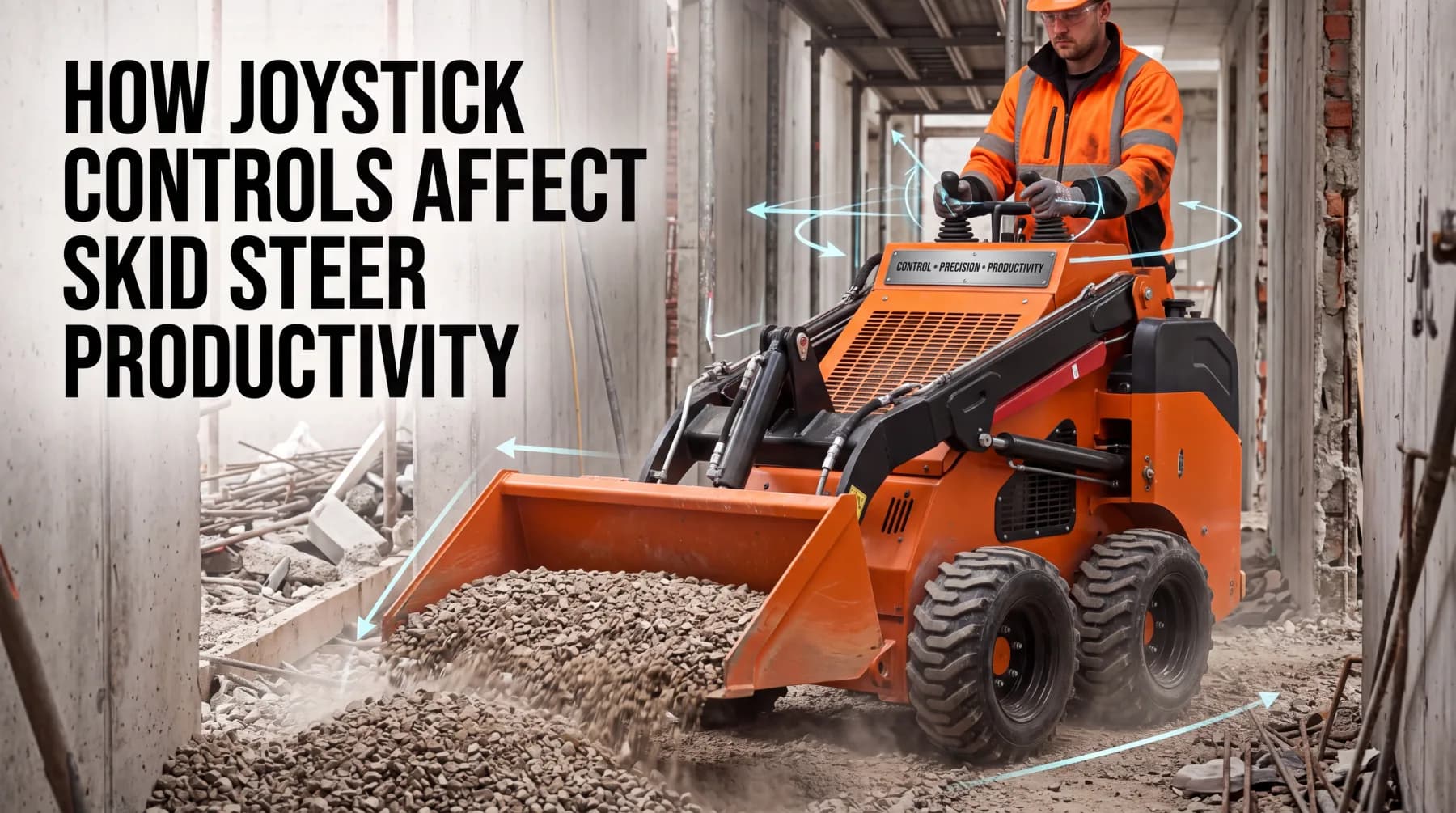
The controls in an operator's hands shape how well a <u>skid steer</u> performs its work. A joystick system that feels natural and responsive lets an operator move confidently through each task, while a poorly matched one turns every cycle into a small struggle. Because a skid steer often works in tight spaces and switches between many jobs, the way its controls translate intention into motion has a direct effect on how much the machine accomplishes. Understanding how joystick control systems influence productivity helps you appreciate why control quality matters as much as raw power, and it guides you toward equipment that keeps operators efficient and comfortable.
This guide explains how joystick control systems affect skid steer operator productivity across five practical areas. You will learn how joystick layout shapes machine control, how sensitivity affects movement precision, how ergonomic controls reduce fatigue, how joysticks support attachment operation, and how to match a control system to operator needs. By the end, you will have a clear, dependable understanding of a system that shapes the productivity of every hour a skid steer works.
Joystick Layout and Machine Control
Joystick controls allow operators to manage travel, steering, lift, and attachment functions from a central control interface, and that consolidation is what makes a skid steer efficient to operate. Rather than reaching for scattered levers or separate controls, the operator keeps their hands in one place and commands the entire machine from there. Travel and steering come together to move the machine and turn it, the lift function raises and lowers the loader arms, and the attachment functions drive whatever tool is mounted to the front. Bringing all of these under a central interface means the operator can control the full range of the machine's capabilities without shifting position or searching for the right control.
A well-designed layout can make machine operation more intuitive and reduce unnecessary hand movements, and both of these benefits translate directly into productivity. When the controls are arranged logically, the operator learns them quickly and operates them almost by instinct, spending less mental effort on finding functions and more on doing the work. A layout that places related functions within easy reach reduces the small, repeated hand movements that add up over a long shift, so the operator works more smoothly and with less wasted motion.
This intuitive control matters most during the constant, varied work a skid steer performs. In a single cycle, an operator may drive forward, steer into position, raise the arms, and operate an attachment, all in quick succession. A layout that supports this flow lets the operator move through the sequence naturally, keeping each cycle tight and efficient. When the joystick layout suits the way the machine is actually used, the operator commands travel, steering, lift, and attachment functions with confidence, and that ease of control keeps productivity high throughout the working day.
Control Sensitivity and Movement Precision
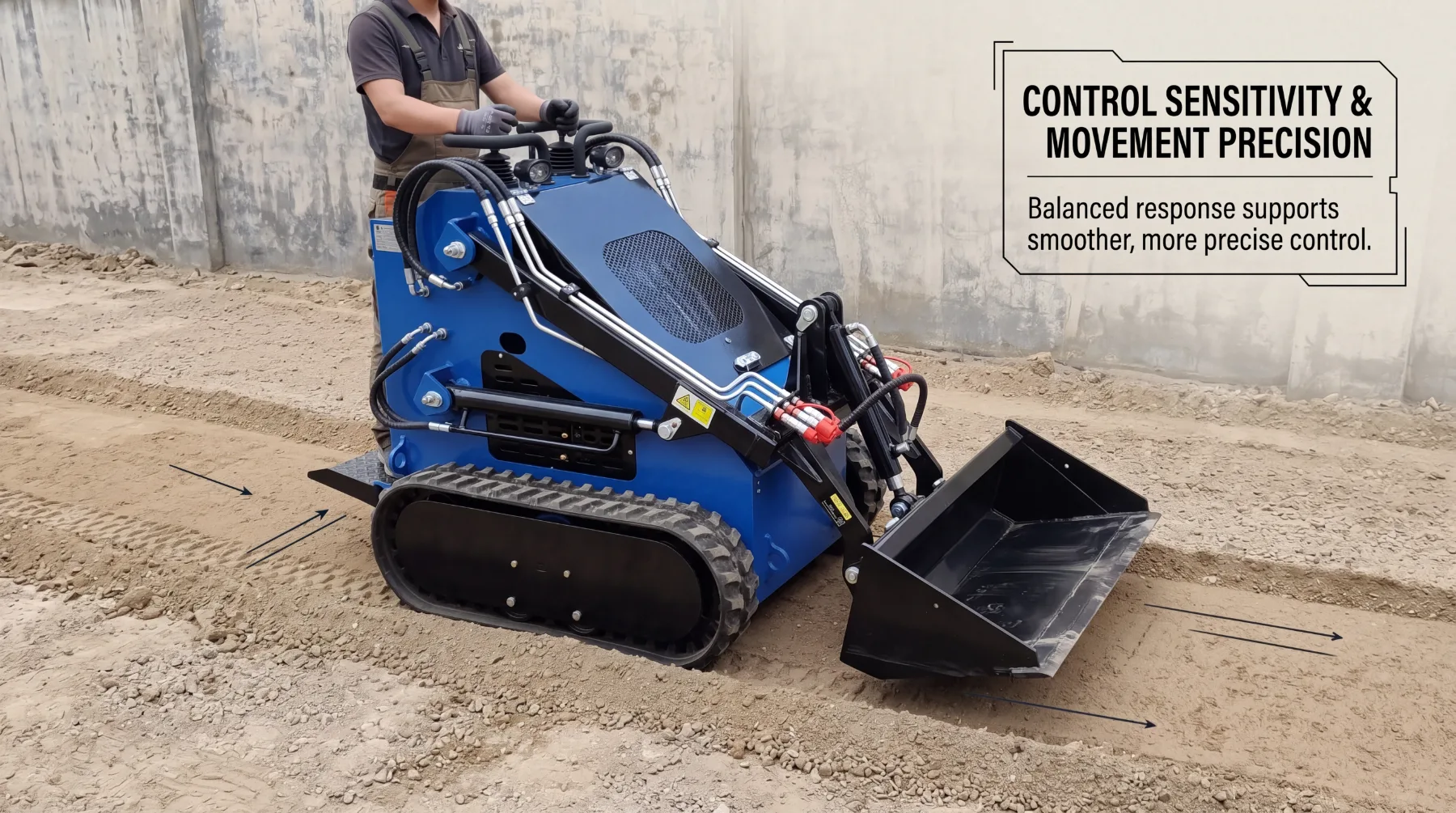
Joystick sensitivity affects how quickly the machine responds to operator inputs, and getting that response right is central to precise, productive work. Sensitivity describes how much the machine moves in relation to how far the operator moves the joystick. A highly sensitive setting makes the machine respond quickly to small inputs, while a less sensitive setting requires larger movements to produce the same response. Neither extreme suits every task on its own, which is why the balance of the control response matters so much to how well the operator can guide the machine.
Balanced control response can help operators make smoother movements when grading, loading, or positioning attachments, because these tasks depend on fine, controlled motion rather than abrupt reactions. Consider how sensitivity plays into common skid steer work:
-
Grading, where smooth, measured movements let the operator maintain an even surface without the machine lurching or overshooting
-
Loading, where controlled response helps the operator scoop, lift, and place material accurately and efficiently
-
Positioning attachments, where precise input allows the operator to align a tool exactly where the task requires
When the control response is well balanced, the operator can make these movements smoothly, guiding the machine with the accuracy that quality work demands.
The productivity value of balanced sensitivity comes from the confidence it gives the operator. When the machine responds predictably to input, the operator can work faster without sacrificing accuracy, since they trust the machine to move as intended. A response that is too twitchy forces the operator to slow down and correct for sudden movements, while one that is too dull makes the machine feel sluggish and unresponsive. A well-judged control response strikes the balance that lets the operator work quickly and precisely at the same time, which is exactly what keeps a skid steer productive across grading, loading, and attachment work.
Reducing Operator Fatigue
Ergonomic joystick controls can reduce the physical effort required during repetitive operations, and that reduction in effort has a real effect on how well an operator performs over time. A skid steer operator works the controls continuously through a shift, repeating similar movements hundreds of times as they travel, steer, lift, and operate attachments. When the controls are designed with ergonomics in mind, each of those movements takes less physical effort. Joysticks positioned comfortably, shaped to fit the hand, and set to respond without excessive force spare the operator the strain that poorly designed controls impose.
More comfortable controls may help operators <u>maintain consistent performance</u> over longer work periods, which is where the productivity benefit becomes clear. Fatigue is a genuine drag on output, since a tired operator works more slowly, makes more errors, and struggles to sustain the pace they set at the start of the shift. When ergonomic controls reduce the physical toll of operation, the operator stays fresher for longer and can hold a steady, productive pace deeper into the working day. Consistent performance across a full shift, rather than a strong start that fades, is what keeps overall productivity high.
The comfort that ergonomic controls provide also supports the quality and safety of the work. An operator who is not fighting awkward or tiring controls can concentrate on the task rather than on the discomfort of operating the machine, which helps them work accurately and attentively. Reduced fatigue means fewer lapses in focus and steadier control over the machine throughout the day. When joystick controls are designed to be comfortable and easy to operate, they help the operator perform well not just for an hour but across the entire shift, and that sustained, reliable performance is a meaningful contribution to productivity.
Joystick Controls and Attachment Operation
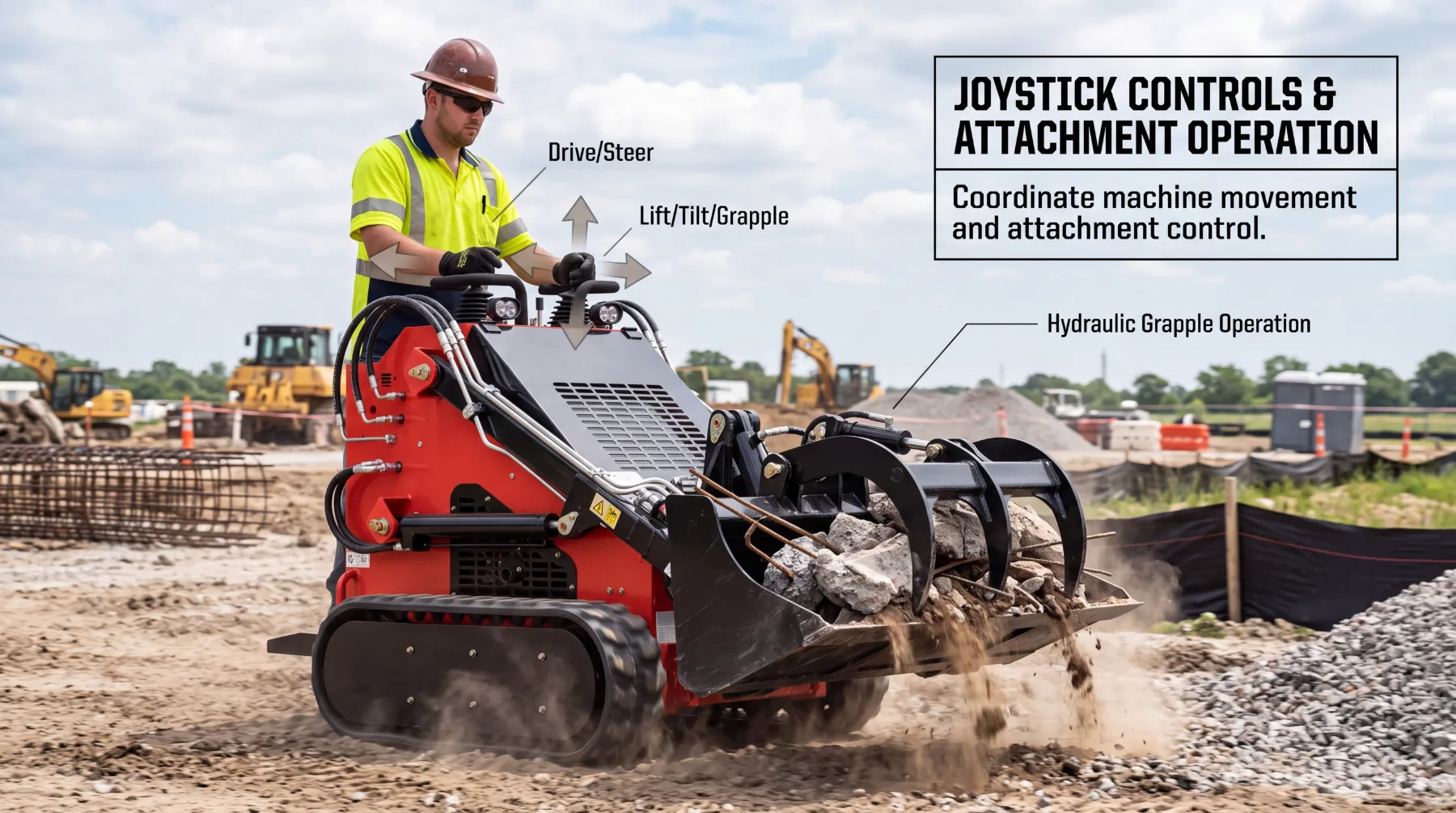
Many skid steer tasks require simultaneous machine and attachment movements, and this is where the quality of the joystick controls proves especially valuable. A skid steer is rarely just a machine that drives and lifts. Its versatility comes from the attachments it carries, and using those attachments well often means operating the tool at the same time as moving or positioning the machine. An operator might drive forward while running an attachment, or adjust the lift arms while operating a tool, coordinating several functions at once to complete a task smoothly.
Intuitive joystick controls can make it easier to coordinate these functions during digging, grading, material handling, and other applications, because coordination depends on being able to command multiple functions naturally. When the controls place travel, steering, lift, and attachment functions within an intuitive reach, the operator can manage them together without fumbling or pausing to find the right control. Digging may call for driving, lifting, and operating the attachment in a coordinated motion, while grading demands smooth travel combined with careful attachment control. Material handling requires moving the machine and operating the tool in concert to pick up, carry, and place loads efficiently. Intuitive controls make these combined movements feel manageable rather than complicated.
The productivity benefit of well-designed attachment controls shows in how smoothly complex tasks proceed. When the operator can coordinate machine and attachment functions easily, each task flows without the interruptions that come from struggling to manage multiple controls. This smooth coordination lets the operator get the most out of each attachment, completing digging, grading, and material handling work efficiently and accurately. Because a skid steer's value rests so heavily on its attachments, controls that make attachment operation intuitive directly enhance the machine's usefulness and the operator's productivity across the full range of applications the machine is built to handle.
Matching Control Systems to Operator Needs
Different skid steers use different joystick configurations, control patterns, and sensitivity settings, so the right control system is the one suited to both the application and the operator. There is no single control arrangement that fits every situation, because machines vary in how their controls are laid out and how they respond. Some operators are accustomed to a particular control pattern, and some tasks favor certain sensitivity settings over others. Recognizing that control systems differ is the starting point for choosing one that supports efficient, consistent operation rather than working against the people and tasks it serves.
Several considerations shape the control system that suits a given operation:
-
Control pattern, since operators may be trained on or accustomed to a specific pattern, and consistency with their experience supports confident operation
-
Sensitivity settings, which should suit the precision the work demands, with finer response for delicate tasks and steadier response for others
-
Joystick configuration, meaning how the functions are arranged and combined, which affects how naturally the operator can command the machine
-
The application, since the tasks the machine performs most often influence which control setup keeps work efficient
Weighing these factors together points toward a control system that fits the way the machine and operator actually work.
Choosing a control system that suits the application and operator can support efficient and consistent machine operation, which is the practical goal behind matching controls to needs. When the control pattern aligns with the operator's experience, the sensitivity suits the work, and the configuration supports the tasks at hand, the operator commands the machine with confidence and works productively from the start. The practical approach is to consider both the work the skid steer will perform and the operators who will run it, then select a control system that fits both. When the controls match the operator and the application, the machine becomes an extension of the operator's intent, delivering the efficient, consistent performance that productive work depends on.
Conclusion
Joystick control systems play a defining role in how productively a skid steer operator works. A well-designed layout brings travel, steering, lift, and attachment functions together in an intuitive interface that reduces wasted motion, while balanced sensitivity gives the operator the precise, predictable response that grading, loading, and positioning require. Ergonomic controls reduce fatigue and help operators maintain steady performance across a full shift, and intuitive controls make it easier to coordinate the simultaneous machine and attachment movements that so many tasks demand. Matched thoughtfully to the application and the operator, a control system supports the efficient, consistent operation that keeps a skid steer productive.
Before choosing your next skid steer, consider how its controls suit the work you do and the operators who will run it. Look at the joystick layout, the control pattern, the sensitivity settings, and how naturally the machine coordinates its functions during real tasks. When you match the control system to your application and your operators, you gain a machine that responds the way its operators intend, works efficiently across every job, and keeps productivity high shift after shift. Reach out to discuss which skid steer and control configuration best suit your operation.
Frequently Asked Questions
1. How does joystick layout affect skid steer productivity?
Joystick layout affects productivity because it determines how easily an operator can command the machine's functions. Joystick controls allow operators to manage travel, steering, lift, and attachment functions from a central control interface, so rather than reaching for scattered levers, the operator keeps their hands in one place and commands the entire machine from there. A well-designed layout can make operation more intuitive and reduce unnecessary hand movements, and both benefits translate directly into productivity. When the controls are arranged logically, the operator learns them quickly and operates them almost by instinct, spending less mental effort on finding functions and more on doing the work. A layout that places related functions within easy reach reduces the small, repeated hand movements that add up over a long shift. This matters most during the constant, varied work a skid steer performs, since a single cycle may involve driving forward, steering into position, raising the arms, and operating an attachment in quick succession. A layout that supports this flow lets the operator move through the sequence naturally, keeping each cycle tight and efficient throughout the working day.
2. What does joystick sensitivity do and why does it matter?
Joystick sensitivity affects how quickly the machine responds to operator inputs, describing how much the machine moves in relation to how far the operator moves the joystick. A highly sensitive setting makes the machine respond quickly to small inputs, while a less sensitive setting requires larger movements to produce the same response. Neither extreme suits every task, which is why balance matters so much. Balanced control response helps operators make smoother movements when grading, loading, or positioning attachments, since these tasks depend on fine, controlled motion rather than abrupt reactions. Grading calls for smooth, measured movements that keep the surface even, loading benefits from controlled response that places material accurately, and positioning attachments requires precise input to align a tool exactly. The productivity value comes from the confidence balanced sensitivity gives. When the machine responds predictably, the operator can work faster without sacrificing accuracy, since they trust the machine to move as intended. A response that is too twitchy forces the operator to slow down and correct for sudden movements, while one that is too dull makes the machine feel sluggish. A well-judged response lets the operator work quickly and precisely at the same time.
3. Can ergonomic joystick controls really reduce operator fatigue?
Yes, ergonomic joystick controls can reduce the physical effort required during repetitive operations, which has a real effect on how well an operator performs over time. A skid steer operator works the controls continuously through a shift, repeating similar movements hundreds of times as they travel, steer, lift, and operate attachments. When controls are designed with ergonomics in mind, each movement takes less physical effort. Joysticks positioned comfortably, shaped to fit the hand, and set to respond without excessive force spare the operator the strain that poorly designed controls impose. More comfortable controls may help operators maintain consistent performance over longer work periods, which is where the productivity benefit becomes clear. Fatigue drags on output, since a tired operator works more slowly, makes more errors, and struggles to sustain their early pace. When ergonomic controls reduce the physical toll, the operator stays fresher and holds a steady pace deeper into the shift. This comfort also supports quality and safety, since an operator who is not fighting awkward controls can concentrate on the task, work accurately, and maintain steadier control throughout the day.
4. How do joystick controls help with attachment operation?
Joystick controls help with attachment operation because many skid steer tasks require simultaneous machine and attachment movements. A skid steer's versatility comes from the attachments it carries, and using them well often means operating the tool at the same time as moving or positioning the machine. An operator might drive forward while running an attachment, or adjust the lift arms while operating a tool, coordinating several functions at once. Intuitive joystick controls can make it easier to coordinate these functions during digging, grading, material handling, and other applications, because coordination depends on being able to command multiple functions naturally. When the controls place travel, steering, lift, and attachment functions within an intuitive reach, the operator can manage them together without fumbling or pausing to find the right control. Digging may call for driving, lifting, and operating the attachment in a coordinated motion, while material handling requires moving the machine and operating the tool in concert. The productivity benefit shows in how smoothly complex tasks proceed, since the operator can complete work without the interruptions that come from struggling to manage multiple controls, getting the most out of each attachment.
5. How do I choose a joystick control system that fits my operation?
Choosing a joystick control system that fits your operation means matching it to both the application and the operator, since different skid steers use different joystick configurations, control patterns, and sensitivity settings. There is no single arrangement that fits every situation, because machines vary in how their controls are laid out and how they respond. Several considerations guide the choice. The control pattern matters, since operators may be trained on or accustomed to a specific pattern, and consistency with their experience supports confident operation. Sensitivity settings should suit the precision the work demands, with finer response for delicate tasks and steadier response for others. The joystick configuration, meaning how functions are arranged and combined, affects how naturally the operator can command the machine. The application itself influences which setup keeps work efficient. Choosing a control system that suits the application and operator supports efficient and consistent operation. The practical approach is to consider both the work the machine will perform and the operators who will run it, then select controls that fit both, so the machine becomes an extension of the operator's intent.