
Sep 21, 2026
How Stone Crushers Help Reduce Construction Waste
\ Construction and demolition projects generate enormous amounts of debris, and much of it ends up hauled off to landfills at real cost. Concrete slabs, broken
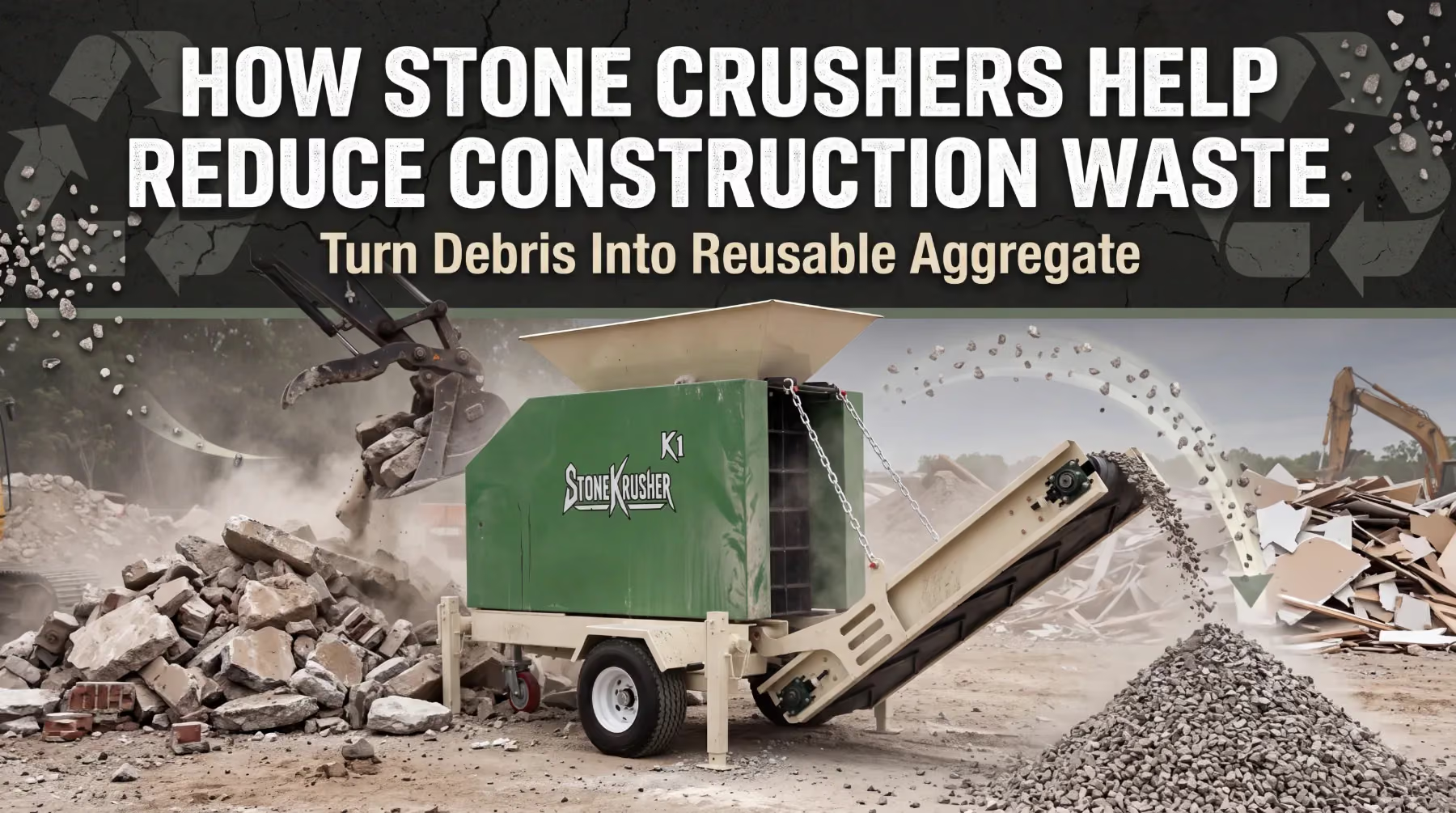
Construction and demolition projects generate enormous amounts of debris, and much of it ends up hauled off to landfills at real cost. Concrete slabs, broken masonry, and crushed stone pile up fast, and disposing of them eats into budgets, timelines, and the environment. Yet a large share of that material still holds genuine value. A stone crusher is the tool that unlocks it, turning what looks like waste into aggregate you can put straight back to work.
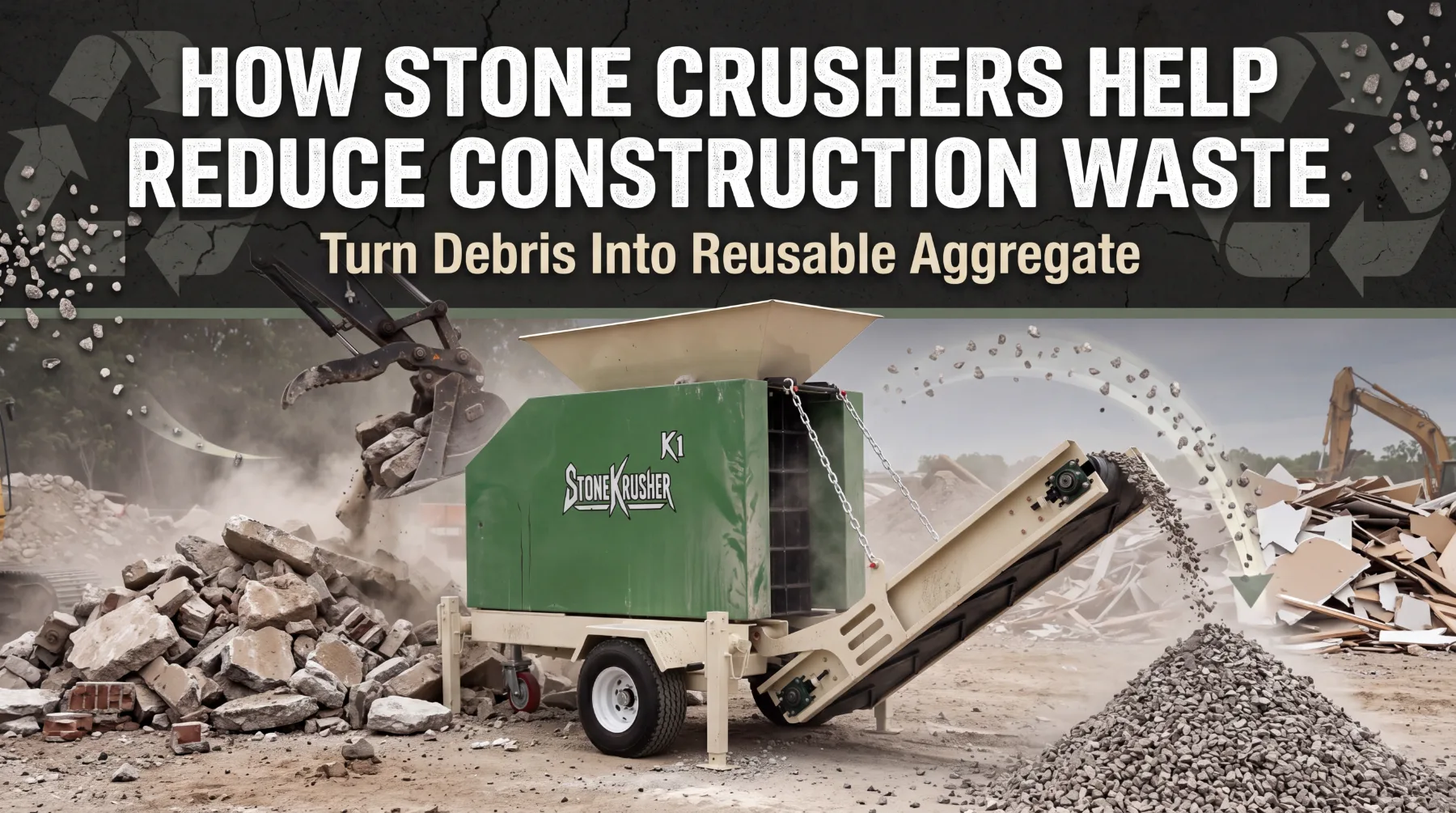
This post explains how stone crushers help contractors cut waste, lower disposal costs, and make smarter use of the materials already on site. It's written for site managers, contractors, and project planners who want practical ways to run leaner, more responsible operations. Here's what you'll take away:
- How crushers transform demolition debris into reusable aggregate
- Why crushing reduces waste volume and simplifies handling
- How on-site processing lowers your need for new material
- What proper sorting and screening add to the process
By the end, you'll see why a crusher is more than a demolition tool. It's a practical answer to the waste problem that shadows nearly every build.
Turning Demolition Material Into Reusable Aggregate
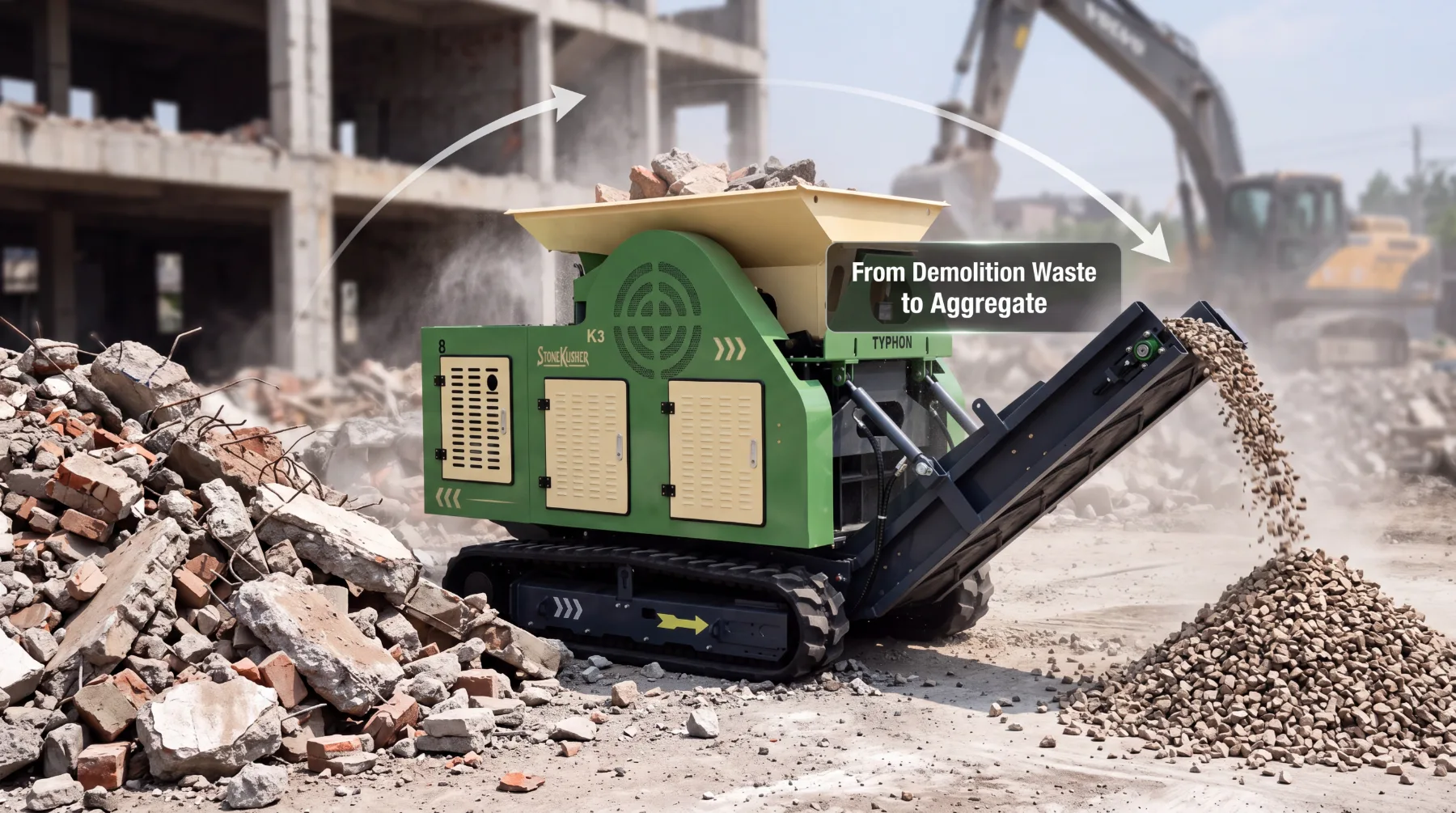
Demolition rarely produces true garbage. Concrete, masonry, brick, and other mineral-based materials are strong, stable, and well suited to reuse once they're broken down to the right size. A stone crusher processes these materials into smaller aggregate, giving recovered debris a second life instead of a one-way trip to disposal.
The process is straightforward. Suitable demolition material is fed into the crusher, where mechanical force breaks it into consistent, usable pieces. A jaw crusher, for example, compresses concrete between a fixed and moving jaw until it fractures into aggregate sized for your needs. What comes out is no longer waste. It's a product.
Consider a common scenario. A crew demolishes an old concrete parking area and faces a choice: pay to haul away tons of rubble, or crush it on the spot into aggregate for the new foundation. The second path recovers value from material the contractor already owns, and it removes a heavy disposal line item from the budget.
Not everything belongs in a crusher, of course. Clean, mineral-based materials like concrete and masonry work well, while contaminated debris, wood, plastics, and metals must be sorted out first. When you feed the right material in, you get dependable aggregate out, and that simple shift from disposal to recovery sets the stage for every other benefit that follows.
Reducing the Volume of Waste
Large chunks of demolition debris are bulky, awkward, and expensive to move. A single broken slab takes up far more space than the same material crushed into aggregate. By breaking big pieces into compact, uniform material, a crusher dramatically reduces the volume of waste you have to manage.
That reduction pays off across the board. Compact material is easier to handle, simpler to stockpile, and far more efficient to transport. Where you once needed multiple hauls to move irregular rubble, crushed material packs tightly and moves in fewer loads.
The practical advantages show up quickly:
- Easier handling: Uniform aggregate loads and moves with standard equipment
- Efficient stockpiling: Compact material stacks neatly and occupies less space
- Lower transport costs: Fewer trips mean less fuel, time, and hauling expense
- Reduced disposal fees: Less volume sent off site means smaller tipping charges
Picture a demolition site cluttered with jagged concrete. Before crushing, that debris sprawls across the yard and slows every other task. After crushing, the same material sits in a tidy stockpile, ready for reuse or a single efficient haul. The site stays cleaner, safer, and easier to work in.
Reducing volume isn't just about tidiness. It's about controlling the real costs of moving and disposing of waste, and it keeps your project flowing without the bottleneck of unmanaged debris piling up.
Reusing Material On-Site
Transporting demolition waste off-site and hauling new aggregate back in is one of the most expensive and wasteful cycles in construction. Mobile stone crushers break that cycle. By processing suitable materials close to where they're generated, they let you reuse recovered aggregate on the same project without the round trips.
The value here is significant. A mobile crusher can be brought directly to the jobsite, set up near the demolition area, and put to work reducing debris into aggregate on the spot. That crushed material can then feed straight into the next phase of construction.
The benefits of keeping material on site add up fast:
- Less new aggregate purchased: Recovered material replaces some or all of what you'd buy
- Fewer transport miles: No hauling waste out and new stone back in
- Faster material flow: Aggregate is ready right where you need it
- Lower overall project costs: Savings on disposal, purchasing, and transport combine
Take a road reconstruction project as an example. The old surface is broken up, crushed on site with a mobile unit, and reused as base material for the new road. The contractor avoids buying fresh aggregate for that layer and skips the cost of hauling the old material away. It's a cleaner, leaner way to work.
On-site reuse turns your demolition debris into a local supply of building material. When you process what you have where you have it, you cut costs and waste in a single, practical move that keeps the whole project moving forward.
Producing Different Material Sizes
Recovered aggregate is only useful if it matches the job at hand, and different construction tasks call for different material sizes. This is where a crusher's adjustability becomes a real advantage. By changing the crusher's settings, particularly the discharge or closed side setting, operators can produce a range of output sizes from the same source material.
A wider setting yields coarser aggregate, while a narrower setting produces finer material. This control lets you tailor the output to exactly what each application requires, so a single pile of demolition debris can serve multiple purposes across a project.
Recycled aggregate suits a wide range of construction needs:
- Road base: Coarser material provides a stable, compacted foundation under pavement
- Backfilling: Aggregate fills and supports trenches, foundations, and work areas
- Drainage: Larger pieces allow water to pass through, ideal for drainage layers
- General fill: Recovered material levels and builds up ground where needed
The ability to produce specific sizes means your recovered material isn't a one-size-fits-all byproduct. It's a versatile resource you can direct wherever the project needs it. Matching the crusher setting to the target application also keeps production efficient, since pushing a machine to make material far finer than needed slows throughput and increases wear.
When you can dial in the right size for each task, recycled aggregate stops being a compromise and becomes a dependable, purpose-built material. That flexibility is what makes on-site recycling genuinely practical rather than just a nice idea.
Supporting More Efficient Material Management
Beyond any single benefit, stone crushers help contractors take a smarter, more organized approach to the materials a project generates. Instead of treating demolition debris as a problem to dispose of, a crusher lets you treat it as a resource to manage and reuse. That shift in mindset supports leaner operations and better use of every recovered ton.
Efficient material management depends on more than crushing alone, though. Proper sorting and screening are essential to ensure the processed material actually meets project requirements. Not all debris belongs in the crusher, and not all crushed output is ready for immediate use.
A few practices keep recovered material reliable:
- Sort before crushing: Remove wood, metal, plastics, and contaminated material first
- Screen the output: Separate crushed material into the correct size grades
- Match material to use: Direct each grade to the application it suits best
- Check quality: Confirm the processed aggregate meets the standards your project demands
These steps matter because quality recovered aggregate has to perform. Debris contaminated with the wrong materials can compromise the finished product, while properly sorted and screened aggregate delivers dependable results. A short case makes the point: a contractor who screens crushed concrete into clean, graded stock can confidently reuse it for structural base, while unsorted material would carry too much uncertainty.
When crushing is paired with disciplined sorting and screening, contractors gain genuine control over their resources. You reduce waste, lower costs, and produce material you can actually trust, which is what efficient, responsible material management is all about.
Conclusion
Stone crushers turn one of construction's biggest headaches into an opportunity. By processing concrete, masonry, and other mineral-based demolition materials into reusable aggregate, they reduce waste volume, cut disposal and transport costs, and lower your need to buy new material. Add adjustable output sizes and on-site mobile processing, and you have a practical system for getting real value from debris that would otherwise be thrown away.
The payoff is both financial and environmental. You spend less on hauling and purchasing, keep more material out of landfills, and run a cleaner, more efficient site. The key is to pair crushing with proper sorting and screening, so the material you recover genuinely meets your project's standards.
Here's your next step: on your next demolition or reconstruction project, evaluate how much of your debris could be crushed and reused on site. Talk to your team about a mobile crusher, plan for sorting and screening from the start, and put your recovered material to work. It's a straightforward change that protects your budget and your reputation for responsible, dependable work.
Frequently Asked Questions
- What types of demolition material can a stone crusher process?
Stone crushers work best with clean, mineral-based materials such as concrete, masonry, brick, and stone. These materials break down into strong, reusable aggregate suitable for many construction applications. Before crushing, it's important to remove contaminants like wood, metal, plastics, and other non-mineral debris, since these can compromise the quality of the finished aggregate. Proper sorting ensures the material fed into the crusher produces dependable output. If your demolition debris is primarily concrete and masonry, much of it is likely a strong candidate for crushing and reuse. - How much can crushing really reduce construction waste volume?
Crushing significantly reduces the volume of demolition debris by breaking large, bulky pieces into compact, uniform aggregate. Irregular chunks of concrete take up far more space than the same material crushed down, which means tidier stockpiles, easier handling, and fewer transport loads. The exact reduction depends on the material and the output size you produce, but the practical effect is consistent: less space occupied on site, lower hauling costs, and reduced disposal fees. For many projects, that volume reduction translates directly into meaningful savings. - Is recycled aggregate strong enough for construction use?
Yes, when processed and screened properly, recycled aggregate performs reliably across many applications, including road base, backfilling, drainage, and general fill. The key is proper sorting and screening to ensure the material is clean, correctly sized, and free of contaminants. Well-processed recycled aggregate meets the standards required for these uses and offers a dependable, cost-effective alternative to newly purchased material. For applications with strict specifications, confirm that the recycled aggregate meets the required standards before use, which good screening and quality checks help ensure. - What is a mobile stone crusher and why does it matter?
A mobile stone crusher is a crushing unit that can be transported directly to the jobsite and set up near the demolition area. This matters because it lets you process debris close to where it's generated, then reuse the resulting aggregate on the same project. The result is a major reduction in transport costs and waste, since you avoid hauling old material out and bringing new aggregate back in. Mobile crushers make on-site recycling practical, keeping material flowing efficiently and lowering overall project costs. - Why is sorting and screening so important in the crushing process?
Sorting and screening ensure the recovered material actually meets your project's requirements. Sorting before crushing removes contaminants like wood, metal, and plastics that would weaken the finished aggregate. Screening after crushing separates the output into correct size grades, so each application gets material suited to it. Together, these steps produce clean, properly graded aggregate you can trust for structural and non-structural uses. Skipping them risks unreliable material, while including them turns demolition debris into a dependable, high-quality resource that supports efficient material management.