
Aug 15, 2026
How to Detect Hydraulic Pressure Problems in Forklifts
A forklift's real power lives in its hydraulic system. That system is what lets the machine raise heavy pallets, tilt loads securely, and steer with precision t
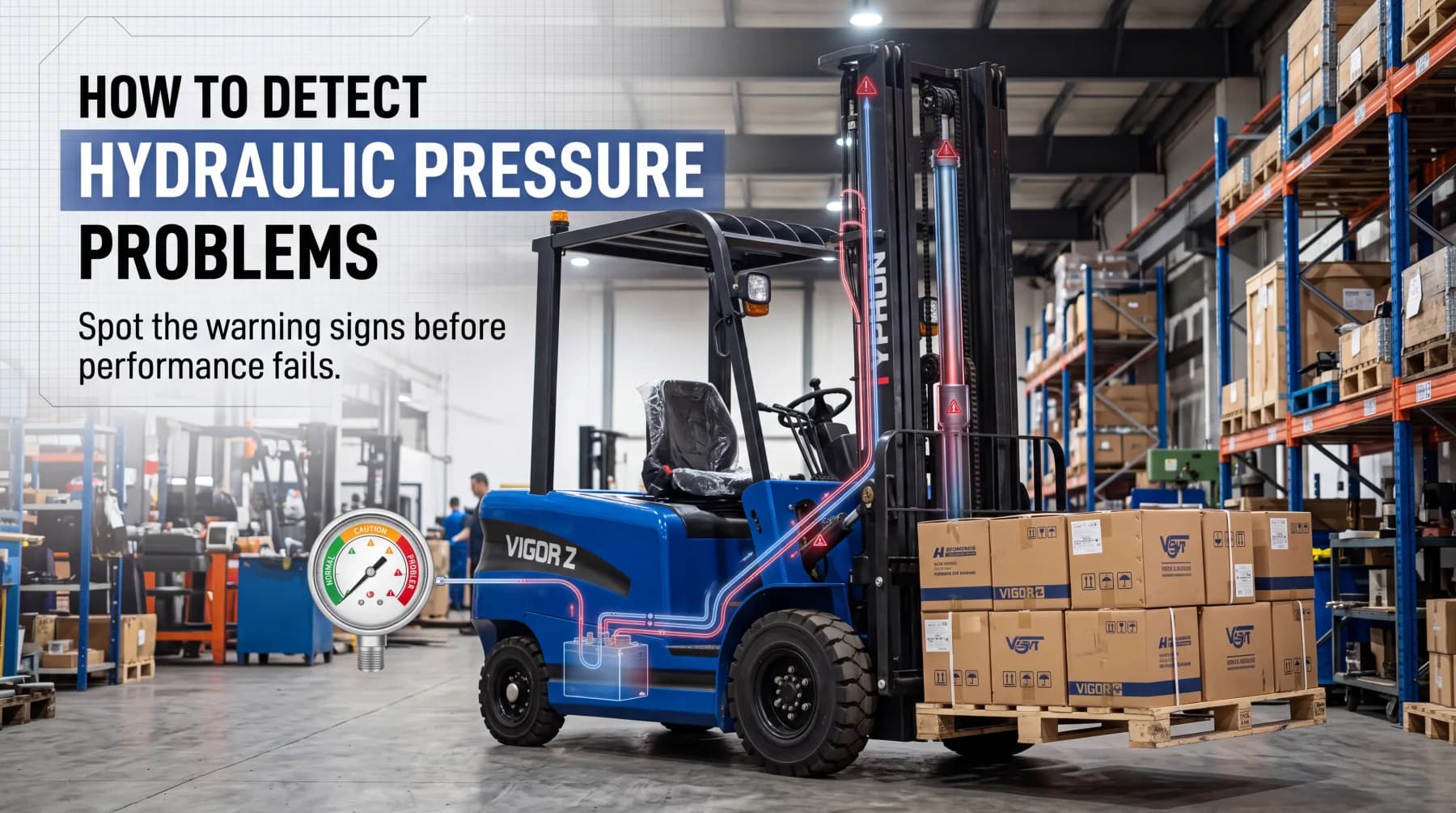
A forklift's real power lives in its hydraulic system. That system is what lets the machine raise heavy pallets, tilt loads securely, and steer with precision through busy warehouses and job sites. When hydraulic pressure falls out of range, every one of those functions suffers, and small problems have a way of growing into expensive breakdowns and safety hazards. The good news is that hydraulic pressure trouble almost always announces itself before it becomes serious, if you know what to watch for. This post walks through how hydraulic pressure drives forklift performance, the warning signs of pressure problems, and the practical checks and tests that help you catch issues early and keep your machine working reliably.
Understanding the Role of Hydraulic Pressure in Forklift Performance
Hydraulic pressure is the force behind nearly everything a forklift does, which is why understanding its role is the first step toward spotting problems. The system works by pressurizing hydraulic fluid and directing that force to the cylinders and motors that move the machine's key components. When the pressure sits at the correct level, that force transfers smoothly and predictably, giving the operator the control and power the job demands. When it drifts too low, the whole machine begins to struggle in ways that quickly affect both productivity and safety.
smoothly and predictably, giving the operator the control and power the job demands. When it drifts too low, the whole machine begins to struggle in ways that quickly affect both productivity and safety.
Three core functions depend directly on proper hydraulic pressure, and each shows the system's importance clearly:
- Lifting, where pressure drives the cylinders that raise and lower the forks under load.
- Tilting, where pressure adjusts the mast angle to keep loads stable and secure.
- Steering, where hydraulic force allows the operator to guide the machine with ease.
Each of these functions relies on consistent pressure to perform the way it should, and any shortfall shows up immediately in how the forklift handles.
Maintaining the correct pressure delivers benefits that reach across the entire operation. Smooth operation depends on it, since steady pressure produces controlled, predictable movement rather than the hesitation or jerkiness that signals trouble. Proper load handling depends on it too, because a forklift needs full hydraulic force to lift rated loads safely and hold them securely in place. Reliable performance across long, demanding shifts flows from a system operating within specification. For anyone responsible for keeping forklifts productive, recognizing hydraulic pressure as the foundation of the machine's capability makes it far easier to appreciate why monitoring and maintaining that pressure matters so much. A forklift with healthy hydraulics simply works better, safer, and more dependably every day.
Common Signs of Hydraulic Pressure Problems
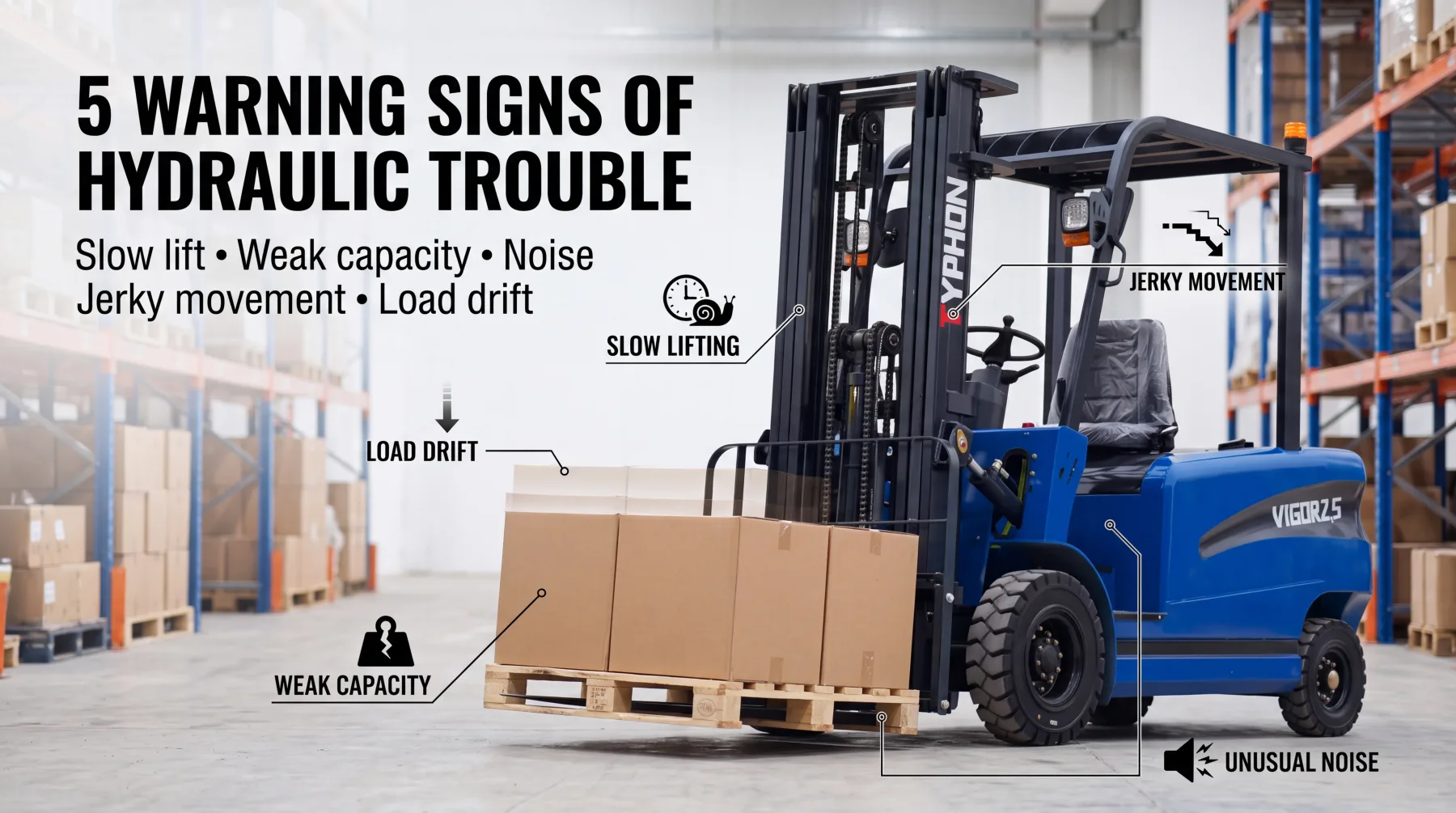
Hydraulic pressure problems rarely stay hidden for long, because a forklift gives clear signals when its system is not performing correctly. Learning to read these warning signs is one of the most valuable skills an operator or maintenance team can develop, since early recognition often makes the difference between a simple adjustment and a major repair. Rather than waiting for the machine to fail outright, attentive operators notice the subtle changes in performance that point to trouble building within the hydraulic system.
Several symptoms commonly indicate that hydraulic pressure has fallen out of range, and each is worth watching for during everyday use:
- Slow lifting, where the forks rise sluggishly or hesitate under load rather than moving with authority.
- Weak load capacity, where the machine struggles to raise weights it once handled with ease.
Unusual noises, such as whining or groaning from the pump that suggest the system is straining. - Jerky movements, where lifting or tilting happens in uneven, stuttering motions instead of smoothly.
- Difficulty holding loads in position, where the forks drift or sag when they should stay put.
Any one of these signs deserves prompt attention, and several appearing together strongly suggest a pressure problem that needs investigation.
What makes early recognition so important is how quickly these small symptoms can escalate. A forklift that lifts a little slowly today may fail to lift a full load tomorrow, and a load that drifts slightly out of position can become a serious safety hazard if the problem worsens. Catching these warning signs early lets you diagnose and address the cause before it leads to equipment failure, unexpected downtime, or an accident on the floor. Treating changes in performance as meaningful signals rather than minor annoyances helps you stay ahead of hydraulic trouble. For operations that depend on their forklifts, building the habit of noticing and reporting these signs is a straightforward, high-value step toward safer, more dependable equipment.
Checking Hydraulic Fluid Levels and Condition
Hydraulic fluid is the lifeblood of the system, and its level and condition have a direct effect on the pressure a forklift can generate. The fluid does more than transmit force; it lubricates components, carries away heat, and keeps the entire system working smoothly. When that fluid runs low, becomes dirty, or grows contaminated, hydraulic pressure suffers and internal components face accelerated wear. Because of this, checking fluid is one of the simplest and most effective ways to protect hydraulic performance.
Fluid problems tend to fall into a few recognizable categories, and each undermines the system in its own way:
- Low fluid levels, which leave the system without enough volume to maintain proper pressure.
- Dirty fluid, where accumulated debris interferes with smooth operation and component health.
- Contaminated fluid, where water or foreign material degrades the fluid's ability to transmit force and protect parts.
Any of these conditions can reduce system pressure and, over time, cause real damage to pumps, valves, and cylinders that are expensive to repair.
Guarding against these problems comes down to consistent, routine attention. Regularly inspecting fluid levels ensures the system always has the volume it needs to build and hold pressure, and topping up promptly when levels drop prevents strain on the components. Checking the fluid's condition matters just as much, since fluid that looks dark, cloudy, or gritty signals contamination that should be addressed before it causes harm. Replacing filters when needed is a key part of this care, because clean filters keep debris out of the system and help the fluid do its job effectively. By making fluid checks and filter changes a standard part of the maintenance schedule, you maintain consistent hydraulic performance and head off the pressure problems that neglected fluid so often causes. This kind of straightforward, disciplined upkeep is one of the best investments you can make in a forklift's long-term reliability.
Inspecting Hydraulic Components for Leaks and Damage
Beyond fluid, the physical components of the hydraulic system deserve regular, careful inspection, because worn or damaged parts are a leading cause of pressure loss. A hydraulic system relies on a network of hoses, seals, valves, and a pump all working together to build and maintain pressure. When any of these components fails or begins to wear, pressure escapes or drops, and the forklift's performance declines accordingly. Routine inspections give you the chance to find these problems before they leave the machine unable to work.
Several components are especially prone to causing pressure loss, and each warrants attention during an inspection:
- Damaged hoses, which can crack, bulge, or leak and allow pressurized fluid to escape.
- Worn seals, which lose their ability to contain pressure and let fluid slip past.
- Faulty valves, which fail to direct or hold fluid correctly and disrupt system pressure.
- Pump problems, where a struggling or failing pump cannot generate the pressure the system needs.
Any of these issues can rob the system of the pressure it depends on, so identifying them early is essential to keeping the forklift dependable.
Leaks in particular tend to be an early and visible warning that something is wrong. Fluid pooling beneath the machine, damp hoses, or wet seals all point to a loss of pressure that will only worsen if ignored. Catching a leaking hose or a deteriorating seal during a routine check turns what could become a sudden failure into a planned, manageable repair. The same holds true for valve and pump trouble, which often reveals itself through gradual performance decline that inspection can trace to its source. By examining these components regularly and acting on what you find, you prevent the unexpected downtime that a hydraulic failure causes and keep the system operating at full pressure. For any operation, a disciplined inspection routine is a practical, cost-effective way to protect both the machine and the schedule it supports.
Testing Hydraulic Pressure and System Performance
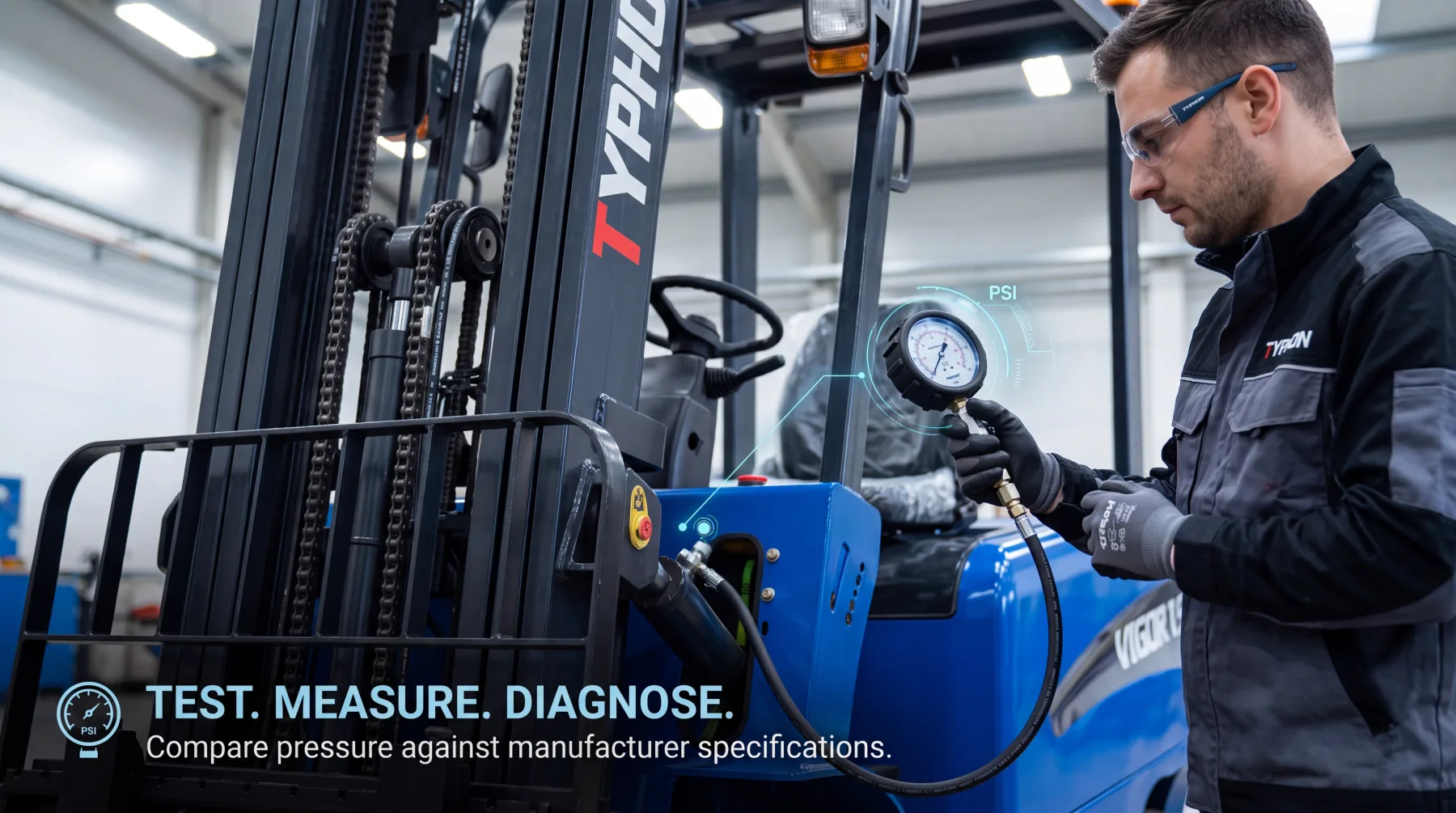
While visual inspections and fluid checks catch many problems, sometimes the only way to know for certain what the hydraulic system is doing is to measure it directly. Testing hydraulic pressure with proper diagnostic tools takes the guesswork out of troubleshooting, giving you hard numbers that reveal whether the system is performing as it should. This kind of testing is especially valuable when symptoms point to a pressure problem but the exact cause is not obvious from a simple inspection.
The core of hydraulic testing is comparing the system's actual pressure against the manufacturer's specifications. Every forklift is designed to operate within a defined pressure range, and diagnostic tools such as pressure gauges let a technician measure what the system is actually producing under load. When the measured pressure falls short of the specified range, it confirms a genuine problem and points toward the components most likely responsible. This precise, data-driven approach is far more reliable than guessing, and it helps ensure that repairs address the true cause rather than just the symptoms.
Professional testing brings particular value when the trouble lies deep within the system. An experienced technician using the right equipment can isolate problems with pumps, valves, and other critical components that are difficult to assess by sight alone. Rather than replacing parts on a hunch, professional diagnosis identifies exactly which component is failing, saving both time and money while restoring the system to proper working order. This expertise matters most when a forklift shows clear signs of pressure loss but the source remains elusive despite routine checks. Bringing in qualified testing at that point protects you from unnecessary repairs and gets the machine back to full performance faster. By combining regular in-house checks with professional pressure testing when needed, you gain a complete picture of your hydraulic system's health and the confidence that your forklift is operating safely within specification.
Conclusion
Detecting hydraulic pressure problems early is one of the smartest steps you can take to protect your forklift and your operation. By understanding how pressure powers lifting, tilting, and steering, recognizing the warning signs of trouble, checking fluid levels and condition, inspecting components for leaks and damage, and testing pressure against specifications, you can catch issues before they become serious. This proactive approach improves safety, reduces repair costs, and extends forklift service life. Regular maintenance, consistent fluid checks, and thorough system inspections keep the machine operating efficiently under even the most demanding workloads, ensuring dependable performance you can count on every day.