
Aug 13, 2026
New vs. Used Skid Steer: Which Is the Better Investment?
Discover the key differences between new and used skid steers, including cost, maintenance, performance, reliability, resale value, and which option may be the better investment for your business.
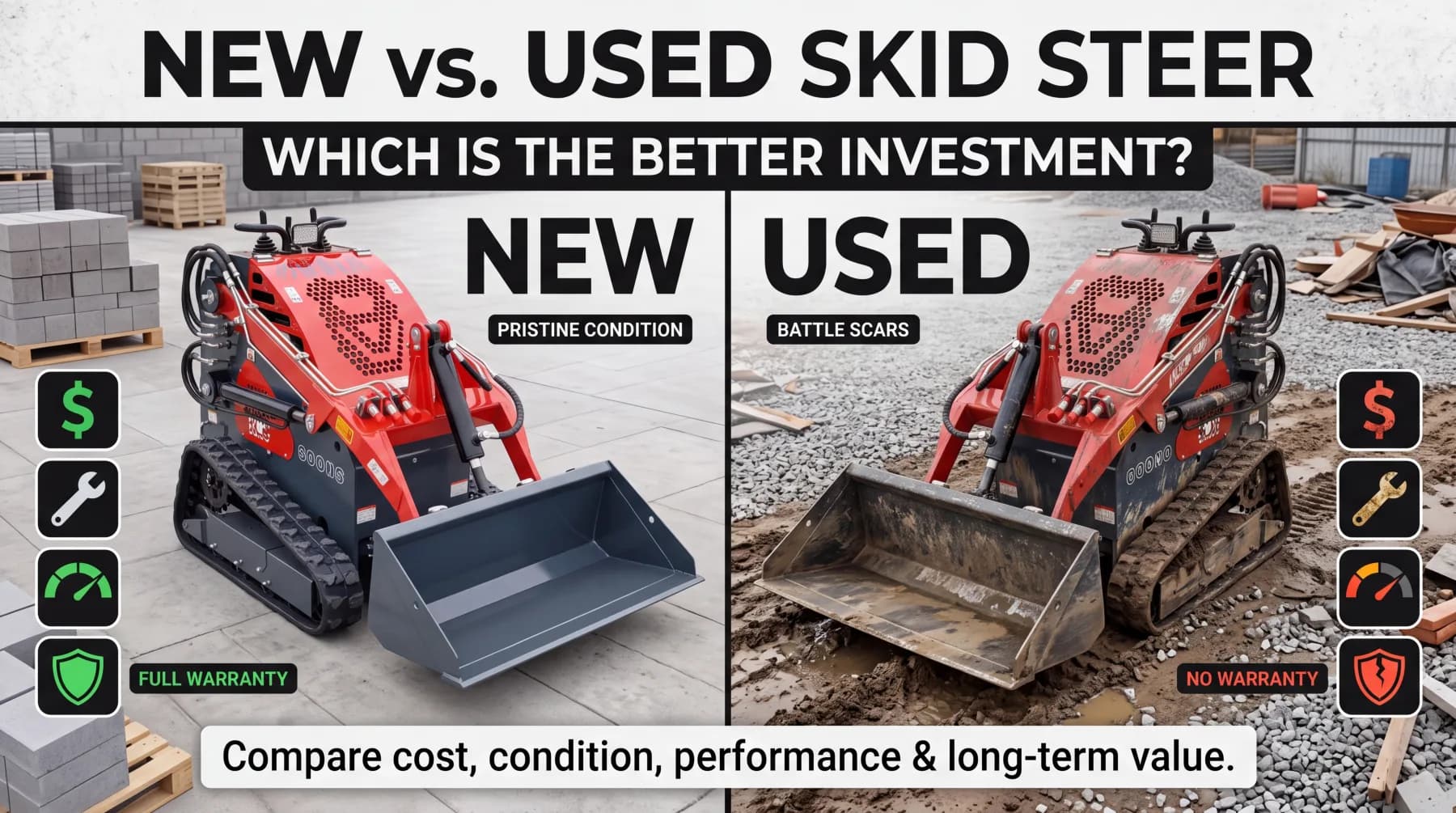
Buying a skid steer is a significant decision, and one of the first questions you face is whether to invest in a new machine or a used one. Both paths can lead to a smart purchase, but they carry very different trade-offs in cost, reliability, features, and long-term value. The right choice depends on how you plan to use the machine, how much you can spend upfront, and how much risk you are willing to take on. This post compares new and used skid steers across the factors that matter most, from initial cost and maintenance to performance, resale value, and matching the machine to your business needs. By the end, you will have a clear framework for deciding which option delivers the better return for your operation.
Comparing the Initial Cost of New and Used Skid Steers
The most obvious difference between new and used skid steers shows up in the price tag, and for many buyers this is where the decision begins. A new skid steer commands a higher upfront investment, but that price buys more than just the machine itself. You get the latest technology, a full manufacturer warranty, and the peace of mind that comes from owning equipment with zero operating hours and no hidden history. For buyers who want to minimize risk and start with a clean slate, that premium is often worth paying.
A new machine's higher cost delivers several tangible advantages:
- Latest technology, including current hydraulic systems, controls, and efficiency features.
- Full warranty coverage, protecting you against unexpected defects and repair bills.
- Reduced risk of immediate repairs, since every component is fresh and untested by prior use.
These benefits explain why operations that depend heavily on their equipment often justify the larger initial outlay.
Used skid steers, by contrast, offer a far more affordable entry point, which makes them especially attractive to buyers working within tight budgets. A quality used machine lets you acquire real capability for a fraction of the cost of new, freeing up capital for other parts of your business. For a small contractor, a startup, or an occasional user, that lower barrier to ownership can make the difference between owning equipment and continually renting it. The trade-off is that you take on a machine with an existing service history, which requires careful inspection to evaluate. Still, for many buyers, the substantial upfront savings of a used skid steer represent a practical, cost-effective way to put a capable machine to work without straining their finances.
Maintenance and Long-Term Ownership Costs
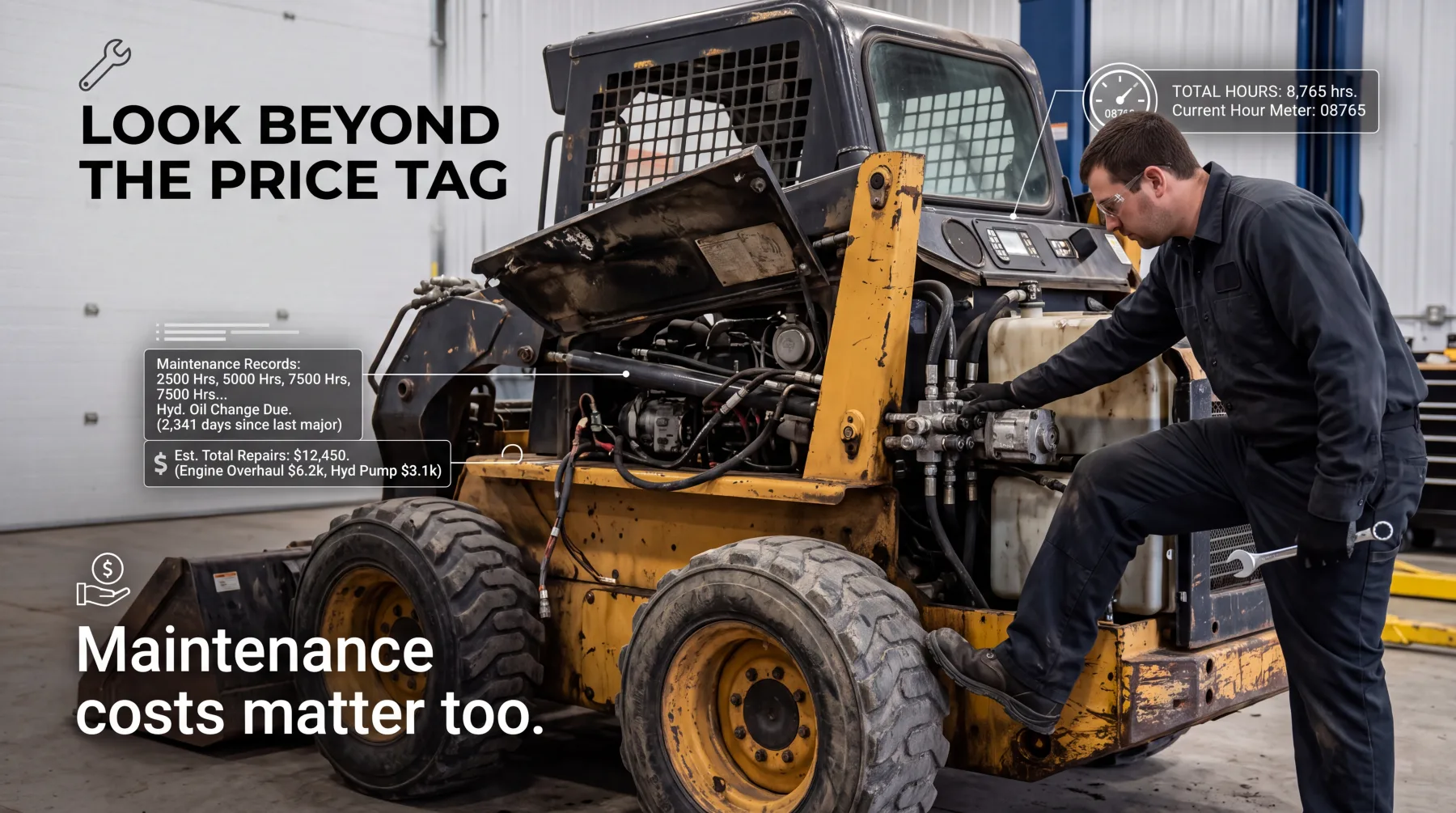
The purchase price tells only part of the financial story, because what you spend after the sale often matters just as much. A new skid steer typically brings lower maintenance needs during its early years of operation. With every component fresh and covered by warranty, owners generally face little more than routine servicing in the first stretch of ownership. That predictability makes budgeting easier and keeps unexpected repair bills to a minimum when the machine is working hardest.
Used skid steers follow a different pattern, and their long-term costs depend heavily on the machine's background. Because a used machine has already logged hours in the field, it may require more frequent repairs or replacement parts as worn components reach the end of their service life. How much you spend hinges on several key factors:
- Age, since older machines are naturally closer to needing significant repairs.
- Usage history, where heavy prior use accelerates wear on major systems.
- Maintenance records, which reveal whether the machine was cared for properly or neglected.
Reviewing these details carefully before buying is essential to avoiding a machine that becomes a money pit.
This is where a thorough evaluation pays real dividends. A used skid steer with complete maintenance records, moderate hours, and evidence of consistent care can deliver years of dependable service with reasonable upkeep costs. One with an unknown or spotty history, however, may hide expensive problems that surface soon after purchase. The smart approach is to weigh the lower purchase price of a used machine against the maintenance you can realistically expect over your ownership period. A new machine offers early-year predictability and warranty protection, while a well-documented used machine can keep long-term costs manageable. Understanding the full picture of ownership costs, not just the sticker price, helps you choose the option that truly fits your budget over time.
Performance, Features, and Technology Differences
Technology moves quickly in the equipment world, and newer skid steers reflect years of engineering improvements that translate into better daily performance. A current model often delivers meaningful advantages in how it works, how much it costs to run, and how comfortable it is to operate. For businesses that spend long hours in the cab or depend on peak efficiency, these upgrades can make a real difference to both productivity and operator satisfaction.
Newer machines commonly offer improvements across several areas:
- Improved hydraulics, delivering smoother, more powerful performance and better attachment operation.
- Better fuel efficiency, reducing operating costs over the life of the machine.
- Enhanced operator comfort, from quieter cabs to more intuitive, ergonomic controls.
- Advanced safety features, helping protect operators and reduce risk on the job site.
Together, these advances make a new skid steer easier and more efficient to run, particularly during demanding, high-hour work.
Used skid steers may not carry the latest features, but that does not mean they fall short where it counts. A well-maintained used machine can still perform reliably and handle the same core tasks a newer model does, often for years to come. The main trade-off is that it may lack the newest efficiency gains, comfort enhancements, or safety systems that define current models. For some buyers, that gap matters little; a machine that digs, lifts, and moves material dependably meets their needs regardless of whether it has the newest technology. For others who prioritize fuel savings, operator comfort, or the latest safety standards, the upgrades in a new machine justify the added cost. Deciding how much these features matter to your work is central to weighing the two options fairly and choosing the machine that supports how you actually operate.
Evaluating Reliability and Resale Value
Reliability and resale value shape the long-term financial picture of any skid steer purchase, and here the two options behave quite differently. New skid steers generally hold stronger resale value, thanks to their excellent condition and the substantial service life remaining when you eventually sell. Because a new machine starts with zero hours and full working life ahead of it, it tends to retain more of its worth over the years, giving you a stronger position when it comes time to trade up or sell.
That said, a used skid steer can also deliver excellent value when chosen well, and dismissing used machines on resale grounds alone would be a mistake. The key lies in the specific machine's condition and history. A used skid steer worth buying typically shows a few reassuring signs:
- Low operating hours, indicating plenty of productive service life remains.
- A reliable maintenance history, proving the machine was serviced consistently and properly.
- Sound overall condition, reflecting careful use rather than hard, neglectful operation.
A machine meeting these criteria can offer dependable performance and hold its value reasonably well, making it a genuinely smart purchase.
The lesson is that reliability and resale value are not simply a matter of new versus used; they depend on the individual machine and how it has been treated. A new skid steer offers the security of a full service life and strong resale potential, which appeals to buyers planning to sell or upgrade down the road. A well-maintained used machine with low hours and solid records, meanwhile, can provide much of that reliability at a lower cost, stretching your investment further. Evaluating any prospective purchase honestly, looking closely at condition, hours, and service history, is what allows you to protect both the reliability you depend on and the resale value you may one day want to recover.
Choosing the Right Option for Your Business Needs
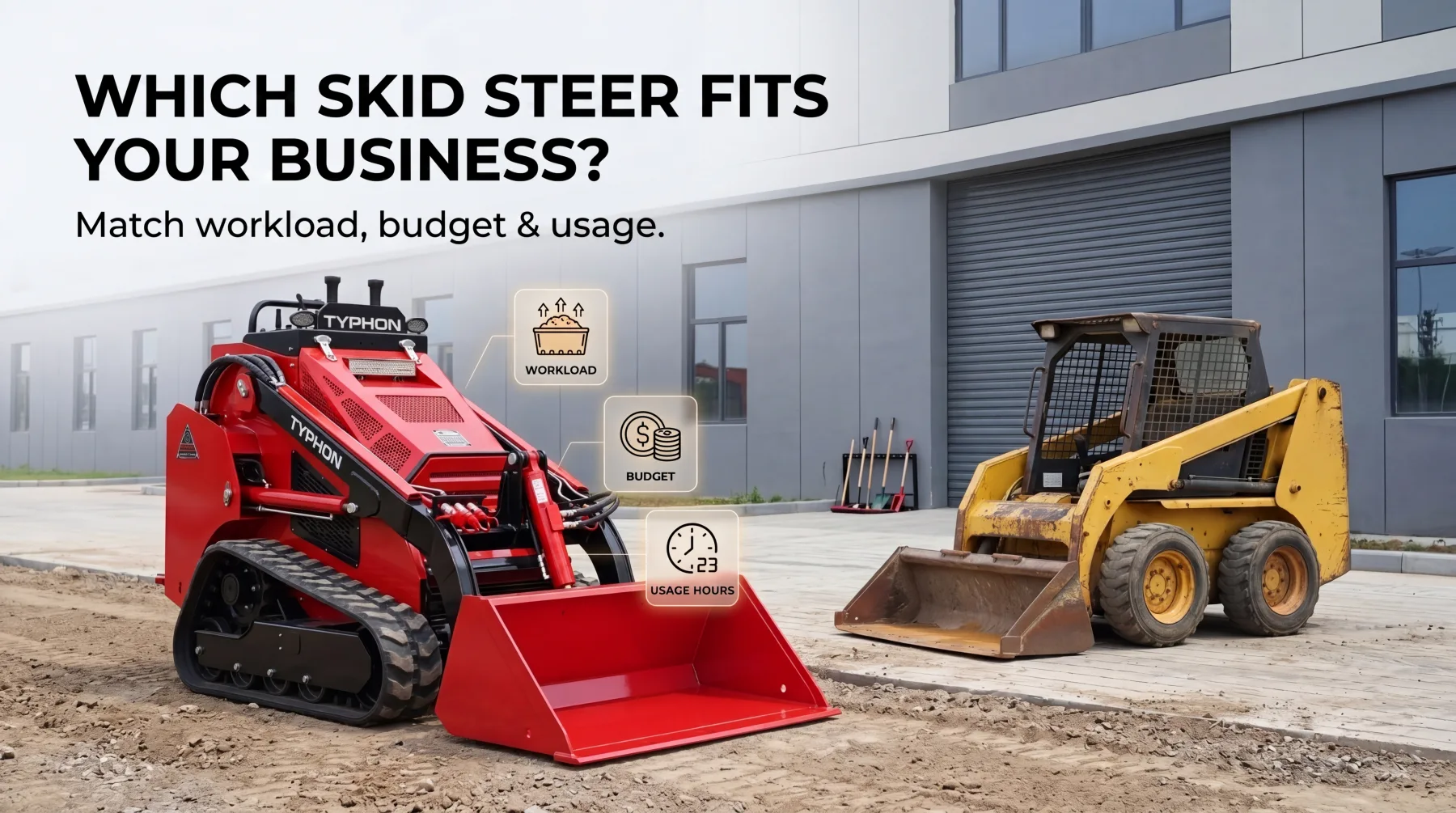
Ultimately, the better investment comes down to your specific situation, because no single answer fits every operation. The right choice depends on a clear-eyed look at your workload, your budget, and how often you expect to use the machine. Rather than assuming new is always safer or used is always cheaper in the ways that matter, the smart approach is to match the purchase to the realities of your business. A machine chosen thoughtfully around your actual needs delivers far better value than one selected on price or preference alone.
Three considerations should anchor the decision:
- Workload, or how demanding and continuous the tasks your machine must handle will be.
- Budget, including both the upfront capital you have available and the ongoing costs you can absorb.
- Expected usage, meaning how many hours the machine will log and how central it is to your daily work.
Weighing these factors together points clearly toward the option that fits your operation.
For high-demand operations, the case for a new machine is strong. If your skid steer runs long hours across busy job sites and downtime costs you real money, the reliability, warranty protection, and modern efficiency of a new machine can easily justify the higher upfront cost. Consider a paving or grading contractor whose crew depends on the machine every day; dependable uptime is worth paying for. Occasional users, on the other hand, often find a quality used skid steer far more cost-effective. A landowner or small operator who uses the machine intermittently may struggle to justify a new machine's price when a well-inspected used model handles the same tasks for less. By honestly assessing your workload, budget, and usage, you can choose the option that maximizes both productivity and value for your business.
Conclusion
Both new and used skid steers can be smart investments when chosen with care. A new machine offers long-term reliability, warranty protection, and modern features that reward high-demand operations, while a well-maintained used skid steer can deliver strong performance at a lower cost when properly inspected. The right choice depends on your workload, budget, and how often you plan to use the machine. Take time to evaluate your needs and, for used machines, review hours, condition, and maintenance records closely. With a thoughtful, honest assessment, you can select a skid steer that delivers dependable performance and lasting value for your business.