
Oct 10, 2026
Wheel Loader Air Conditioning, Heating, and Operator Comfort
Long hours of loading in hot, cold, or dusty conditions can affect an operator's comfort and ability to stay focused. A poorly maintained air conditioning system, clogged cab filter, dirty condenser, or damaged cabin seal can allow heat and dust to build up inside the operator station.
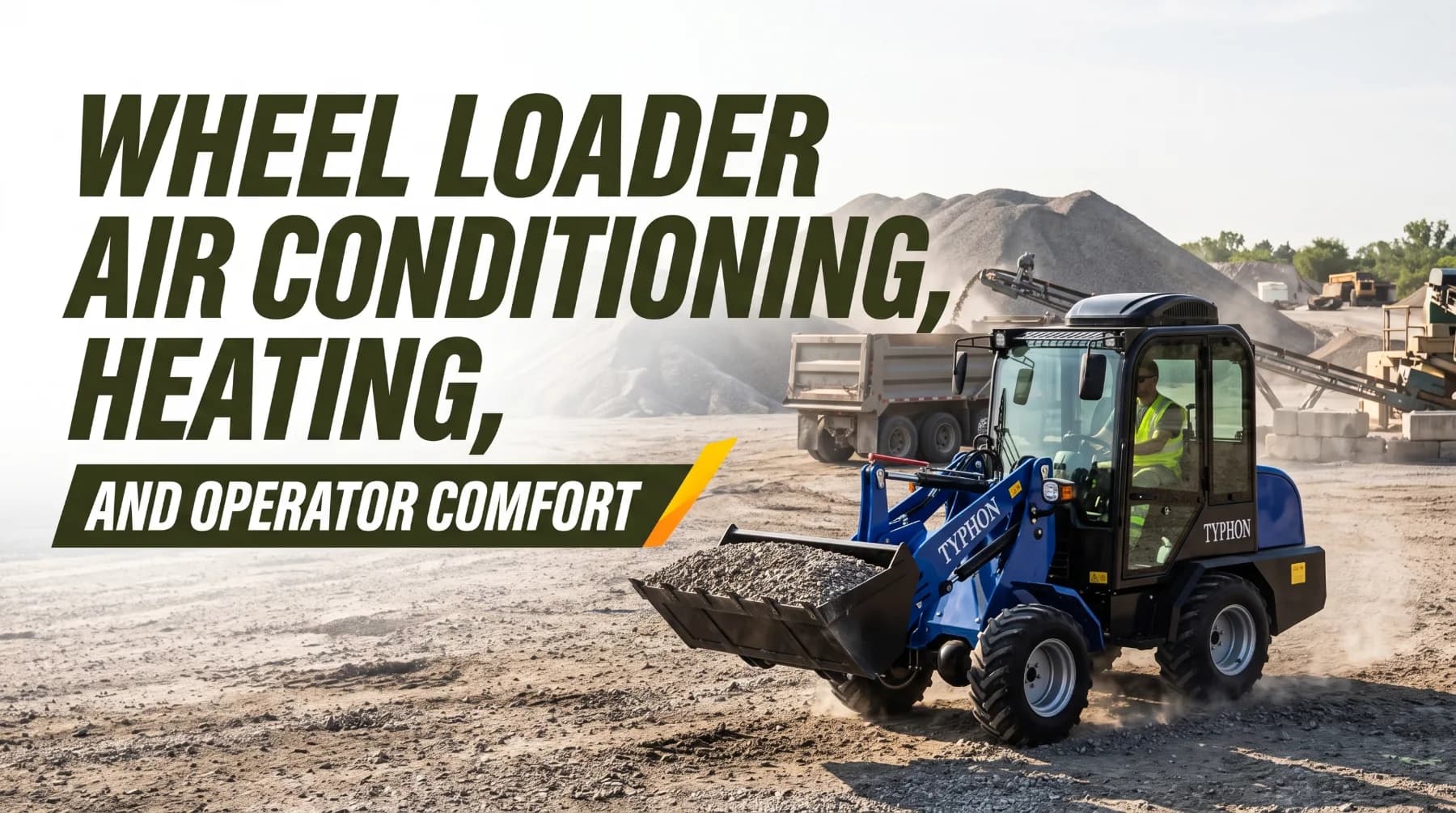
Long hours of loading in hot, cold, or dusty conditions can affect an operator's comfort and ability to stay focused. A poorly maintained air conditioning system, a clogged cab filter, a dirty condenser, or a damaged cabin seal can allow heat and dust to build up inside the operator station. As fatigue increases, tasks such as positioning the bucket, judging distance, and working around trucks and pedestrians can become more difficult.
Climate control systems help maintain a more comfortable working environment inside the wheel loader cab. Air conditioning, heating, ventilation, cab filters, and door and window seals all contribute to temperature control and air quality. Clean glass, properly adjusted controls, and a comfortable seat also support clear visibility and steady operation during long shifts.
Regular inspection of the cab environment can help prevent small comfort problems from affecting daily performance. Operators should check the air conditioning and heating systems, replace filters as required, clean condenser surfaces, and inspect cabin seals for damage. Maintaining a cool, clean, and well-sealed operator station can help reduce fatigue, improve visibility, and keep operators focused during material-handling work.
Air Conditioning Performance
Heat is a common source of operator fatigue during outdoor equipment work, especially when a wheel loader cab sits in direct sunlight for hours. Engine and hydraulic heat can add to the load, causing cab temperatures to rise well above the outside air temperature. A properly functioning air conditioning system helps maintain a cooler cab, supporting concentration and reaction time during long shifts while reducing physical strain from heat. It also allows operators to keep doors and windows closed, helping keep dust and noise outside, while removing moisture from the cab air to improve comfort and reduce window fogging.
Watch for signs that the air conditioning system is losing performance, such as weak airflow, air that is only slightly cool, unusual compressor noises, or water entering the cab. On dusty jobsites, a blocked condenser can restrict cooling, so keep it clean along with the radiator and other cooling components. Air conditioning improves cab comfort but does not replace basic heat-safety practices. Operators should still stay hydrated, take regular breaks, and watch for signs of heat illness in themselves and other workers.
Key takeaway: A properly working air conditioning system controls cab temperature during hot weather. It supports operator focus and keeps the cab sealed against dust and outside air.
Heating During Cold Weather
Winter construction, snow removal, and cold-weather material handling create different demands for wheel loader operators. Cold hands can reduce dexterity, stiff muscles can slow movement, and shivering can make it harder to stay focused. The cab heating system helps maintain a comfortable working temperature, typically using hot engine coolant flowing through a heater core while a blower moves warm air into the cab. Proper heating supports precise joystick and pedal control, helps clear frost, ice, and condensation from the windshield, and allows operators to work more comfortably during long shifts.
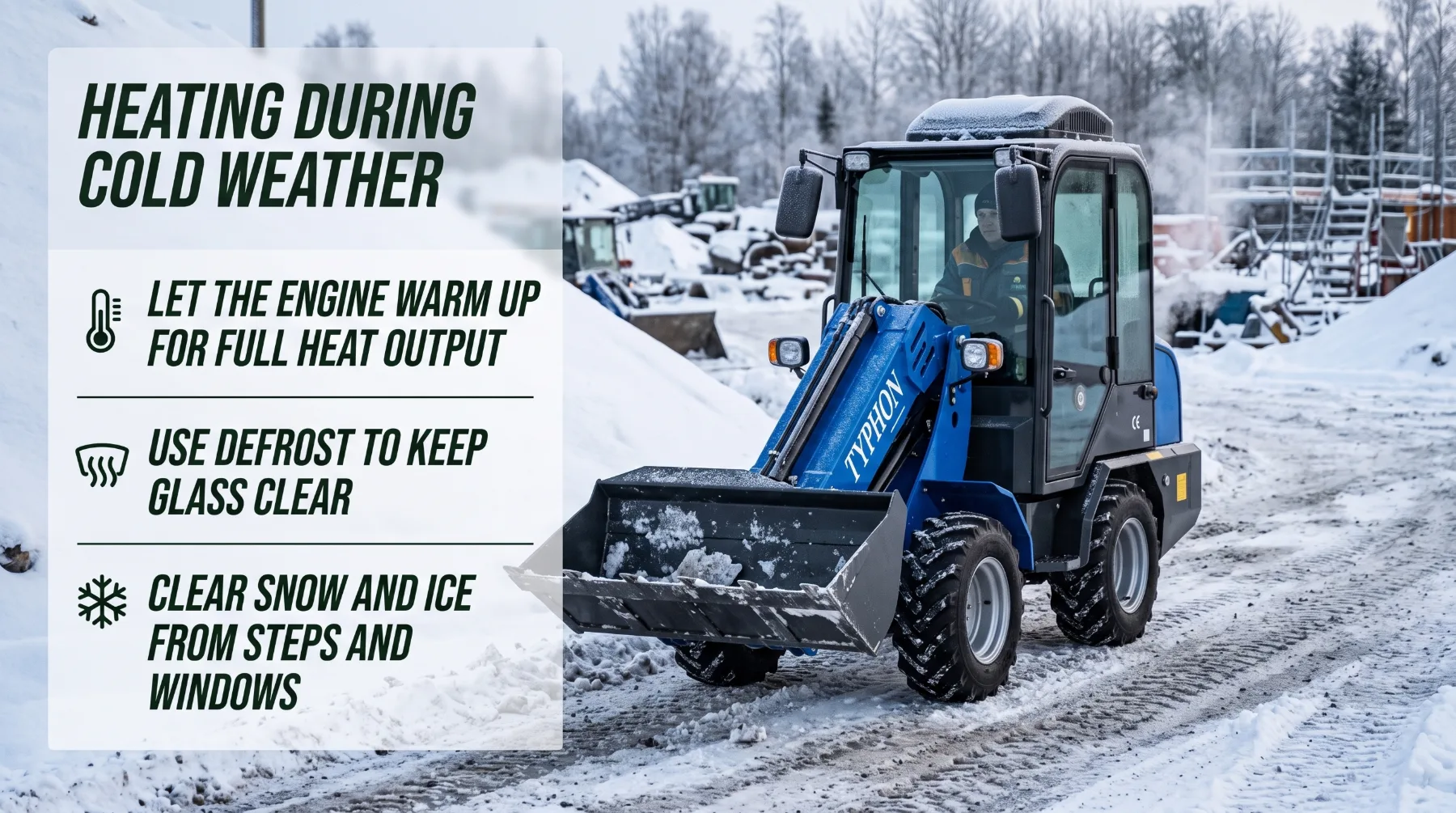
Allow the engine to reach its normal operating temperature before expecting full heat output, and clear snow and ice from the windows, mirrors, steps, and handholds before starting work. Do not operate until the windshield and side glass provide a clear view. If the heater continues blowing cold air after the engine warms up, check the coolant level only when the engine is cool. Never open a hot radiator cap because the cooling system may be pressurized. Low coolant, trapped air, or a restricted heater core can reduce heating performance, so have the system inspected before continuing cold-weather work.
Key takeaway: The heating system keeps the cab warm during cold weather and supports clear windows through defrost. This helps operators stay comfortable and in control during winter work.
Cabin Air Circulation
Heating and cooling systems depend on effective airflow to distribute conditioned air throughout the cab. Good circulation helps prevent hot or cold spots, keeps the operator comfortable, and supports clear visibility through the windows. The blower fan moves air through the HVAC system, while vents and louvers direct it toward the operator, windshield, and side glass. Fresh air and recirculation filters also play an important role by removing dust and debris from outside air and air that is being circulated inside the cab.
Wheel loaders often operate around dust, ash, chaff, and fine aggregate, which can quickly clog cab filters. A restricted filter reduces airflow, weakens heating and cooling performance, and may allow more dust into the cab. Check, clean, or replace filters according to the manufacturer's recommendations, and inspect them more frequently when working in dusty conditions. When windows begin to fog, direct the vents toward the affected glass and use fresh-air mode when conditions allow. Keep vents clear of jackets, paperwork, and other objects that could restrict airflow.
Key takeaway: Effective air circulation spreads conditioned air through the operator area. Clean vents and well-maintained filters support airflow, comfort, and clear visibility.
Windows and Cabin Sealing
A wheel loader cab is designed to provide a sealed environment that keeps conditioned air inside while limiting dust, noise, rain, and outside air. Worn door and window seals or windows that do not close properly can reduce comfort and make the HVAC system work harder. Inspect door and window seals for cracks, tears, flattening, or gaps, and check that window latches and hinges allow doors and windows to close and secure properly. Also inspect the glass for cracks, chips, or scratches and check cab penetrations for damaged grommets where cables or hoses pass through the cab.
Dust lines around doors, water inside the cab after rain, noticeable drafts, and increased outside noise can indicate a sealing problem. Repair damaged seals promptly using parts approved for the machine. Clean the inside and outside of the glass before each shift and whenever conditions change during the day. Dust, mud, and film on the glass can reduce visibility, particularly when working in low sunlight or at night, so keeping the windows clean is an important part of both cab comfort and safe operation.
Key takeaway: Well-maintained windows and seals help the cab hold its interior environment. They also reduce dust and outside air entering the cab, which protects comfort and visibility.
HVAC Maintenance
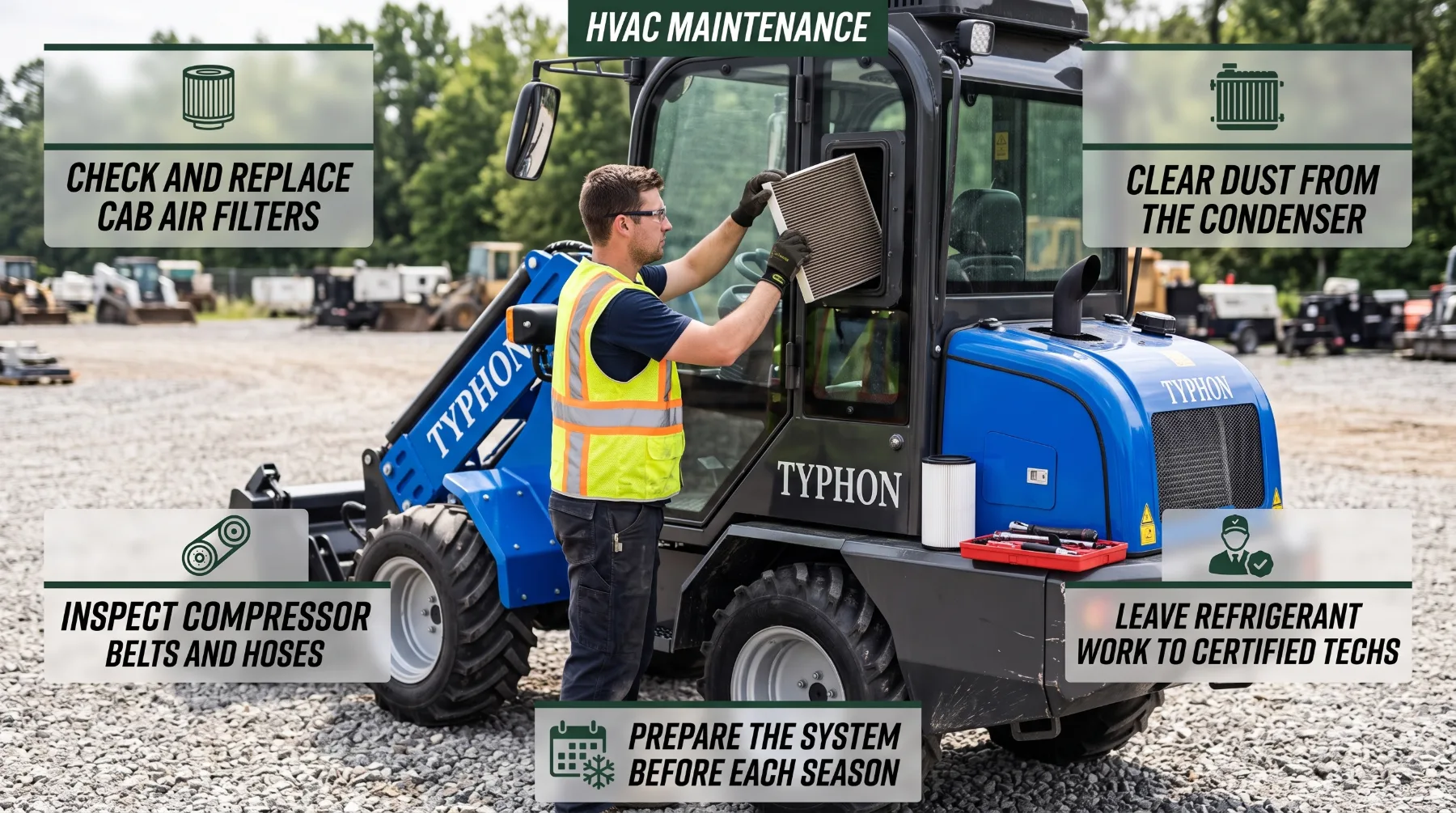
Regular HVAC maintenance helps a wheel loader maintain comfortable cab conditions throughout changing seasons. Dust buildup, worn belts, restricted airflow, refrigerant leaks, and blocked drains can gradually reduce system performance. Routine inspection helps identify these issues before they affect operator comfort and machine use.
-
Airflow & Filters: Check fresh-air and recirculation filters for dust and debris, and clean or replace them as required.
-
Belts & Components: Inspect compressor belts and related components for cracks, fraying, glazing, wear, and proper tension.
-
Condenser Cleanliness: Keep condenser fins clear of dust and debris so air can pass through the cooling system effectively.
-
Heating & Refrigerant System: Check heater hoses and refrigerant lines for visible damage, leaks, or oily residue.
-
Cab Drainage: Keep condensation drain lines clear to prevent water from collecting inside the operator cab.
Key takeaway: Inspect air filters, vents, belts, refrigerant-related components, and heating elements according to manufacturer recommendations to maintain climate-control performance.
Operator Seat and Controls
Climate control is only one part of an effective wheel loader operator station. It works together with the seat, controls, visibility, and cab layout to support comfort and concentration. At the start of each shift, especially when the machine is shared, adjust the seat so the controls and pedals are easy to reach with a slight bend in the knees and elbows. Set the suspension according to your body weight, position the backrest to support your lower back, and adjust the armrests so your forearms rest comfortably near the joysticks or control levers. Always fasten the seat belt before operating the machine.
Before moving, adjust the mirrors from the seated position and confirm that any camera systems are clean and working properly. Set the HVAC temperature and vents before beginning work rather than while the machine is moving under load. A properly adjusted seat, clear visibility, accessible controls, and comfortable cab temperature allow the operator to focus on the bucket, load, and surrounding work area instead of making adjustments during operation.
Key takeaway: Climate control works alongside the seat, controls, visibility, and cab layout. A well-set-up operator station lets the operator focus on machine functions and material-handling tasks.
Conclusion
A comfortable wheel loader cab supports operator alertness, visibility, and productivity during long work shifts and changing weather conditions. Air conditioning helps control heat and humidity, while heating and defrost functions maintain a suitable cab temperature and keep the glass clear during colder conditions. Clean fresh-air and recirculation filters, open vents, and effective airflow help distribute conditioned air, while intact door and window seals limit dust, outside air, and weather exposure from entering the cab. Before operation, operators should inspect filters, condenser and cooler screens, compressor belts, heater hoses, vents, seals, latches, and glass, then test air conditioning, heating, blower speeds, and defrost functions. Seat suspension, armrests, mirrors, and HVAC settings should also be adjusted before work, with windows, mirrors, and camera lenses kept clean for clear visibility. Following manufacturer service intervals and using qualified technicians for refrigerant-related work helps maintain dependable HVAC performance, operator comfort, and productive operation throughout the season.
Frequently Asked Questions
Why is air conditioning important in a wheel loader?
Air conditioning helps maintain a more comfortable cab temperature during hot working conditions. A properly functioning, enclosed cab can also reduce the amount of dust entering the operator area. Maintaining a comfortable environment helps operators stay focused and productive during long shifts.
Is heating useful for construction equipment?
Yes. Heating helps maintain operator comfort during cold-weather work and can make extended shifts more manageable. The defrost function is also important because it helps clear moisture, frost, or fog from the windshield and side glass, improving visibility while operating.
Can cabin filters affect HVAC performance?
Yes. Dirty or clogged cabin filters can restrict airflow and reduce the effectiveness of both heating and air conditioning. They may also allow more dust and airborne particles to enter the cab. Regular filter inspection and replacement help maintain airflow, comfort, and cleaner cab conditions.
How often should wheel loader HVAC systems be serviced?
HVAC systems should be serviced according to the manufacturer's recommended maintenance schedule. Cabin filters may need to be checked and replaced more frequently on dusty or dirty job sites. Inspecting the system before major seasonal changes can also help identify airflow, cooling, heating, or refrigerant-related problems.